
TERROIR
THE FEATURE
The Heat Equation: Why Your Wine Makes Spicy Food Burn Hotter
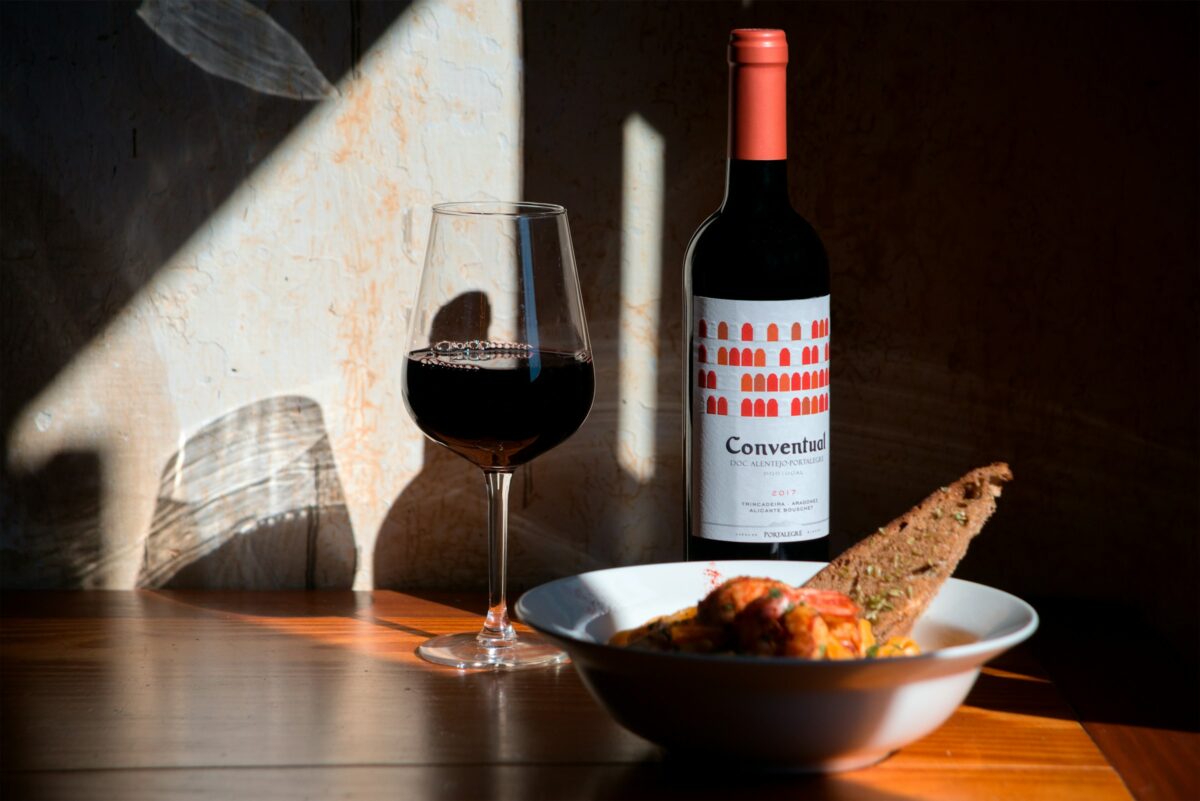
The bottle opened for the curry is chosen on an instinct that sounds right: loud food wants loud wine. At the steakhouse it holds. At the Sichuan table it inverts, and not for reasons of taste. Capsaicin is not a flavor. It binds TRPV1, the receptor that reports dangerous heat.
Ethanol does not simply spread the capsaicin around. Trevisani and colleagues reported in a 2002 Nature Neuroscience paper that it lowers the receptor’s heat threshold from roughly 108°F to roughly 93°F—below the temperature of the mouth it sits in. VinePair puts the practical line near 13 percent ABV, which quietly disqualifies most of the New World reds poured for this food.
THE DISPATCH
Latest from this week

Spain Suspends Mechanical Harvesting
Interior Minister Fernando Grande-Marlaska signed an order on July 27 suspending mechanical harvesting across Madrid, Ávila and Toledo, on the reasoning that combines start fires by friction and metal strike. More than 77,000 hectares have burned and 91,000 people are evacuated or confined, with Castilla-La Mancha (roughly a third of Spanish wine production) in the smoke path. Rioja, Ribera del Duero, Rías Baixas and Priorat lie well outside the fire zones.

California Starts Picking In July
The first Napa grapes came in at Round Pond Estate on July 21, with Mumm Napa and Schramsberg following two days later. Sonoma County Winegrowers CEO Karissa Kruse called it the earliest harvest she has seen in her tenure there, and Wine Industry Advisor reports Alexander Valley Cabernet blocks running at 50 to 60 percent of historic averages after a cool, windy bloom cut fruit set. The 2026 California vintage will be small, and it arrives in the same weeks as France’s fire summer.
THE PICK
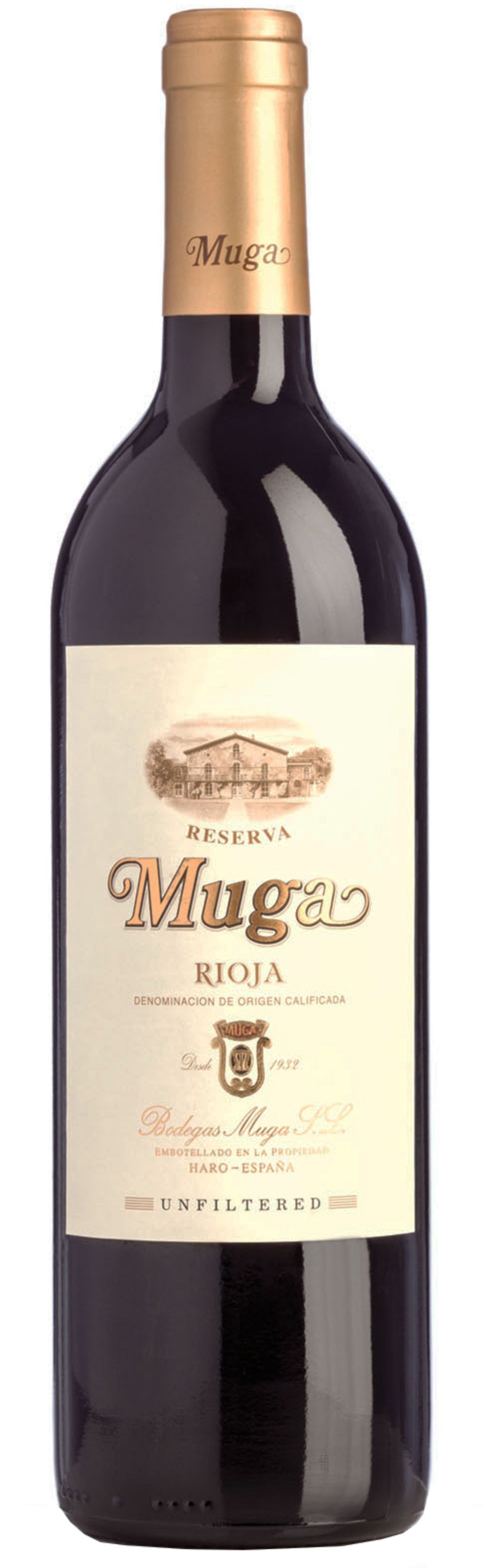
BODEGAS MUGA RESERVA 2022
Isaac Muga Martínez founded the house in 1932 in Haro’s Barrio de la Estación, the cluster of nineteenth-century bodegas around the railway station. Ninety years on it still builds its own barrels. Executive vice president Manuel Muga calls it the only cellar in Spain with its own master cooper and three barrel makers in-house—an expensive way to be consistent, and the wine is the argument for it: red cherry, dried herb, sweet cedar.
Twenty-four months in casks the house made itself, and it drinks like classical Rioja rather than the modern kind: structured, savory, in no hurry. Lamb, jamón, anything off a charcoal grill. $31.99 at Wine.com, down from $39.
Until next Thursday,
Adrian, TERROIR