
TERROIR
THE FEATURE
The Chalk Seam: What England's Sparkling Origin Story Leaves Out
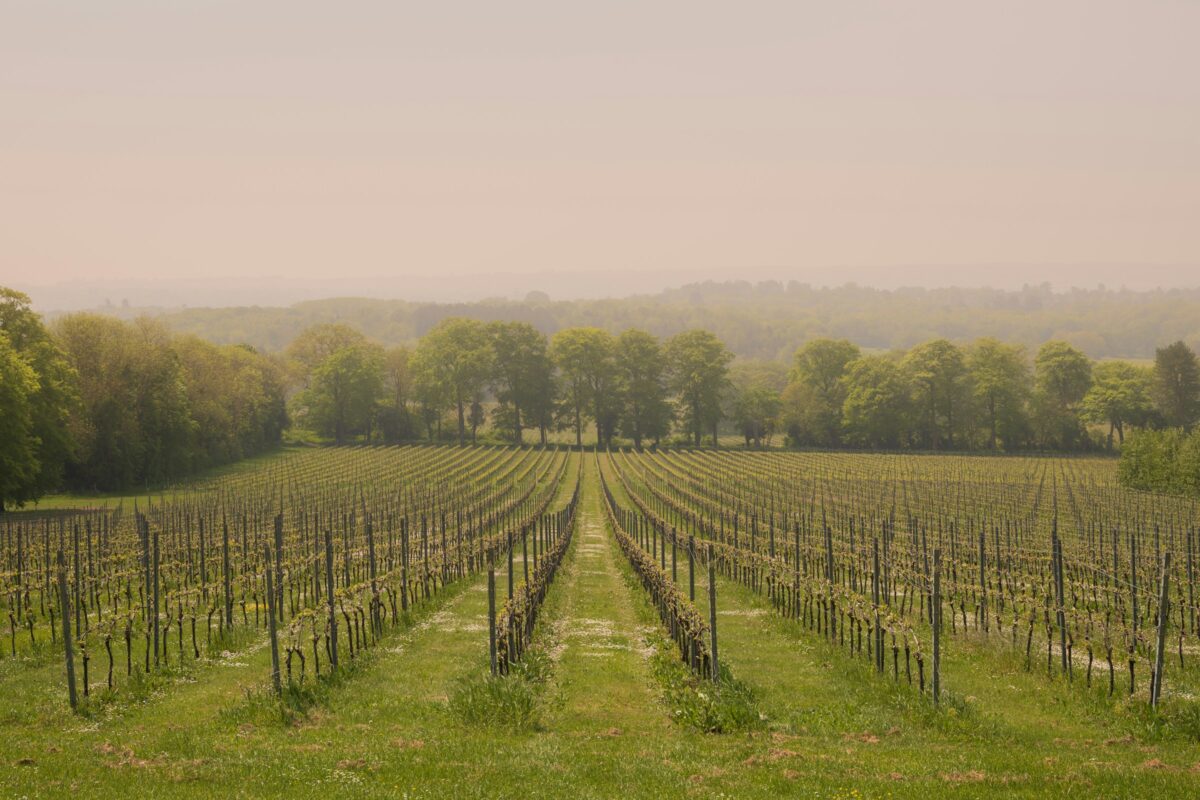
The chalk under Hampshire and Sussex really is Champagne's chalk, laid down in the same Upper Cretaceous seas. Ian Kellett of Hambledon puts the claim at its strongest, calling it the same chalk found in Avize and Cramant. But that is a producer describing his own vineyard, and World of Fine Wine is blunt about the rest: much English sparkling wine isn't grown on chalk at all.
The growth is easier to explain by counting. WineGB puts land under vine at 4,841 hectares, up 510 percent since 2005, with sparkling at 69 percent of production. Kent leads on plantings, then West Sussex, then Essex, which is warmer, drier, and largely off the seam. A region that explains itself by geology will struggle to explain where its new planting is going.
THE DISPATCH
Latest from this week

Treasury Wine Books A$558M US Write-Down, Fallows North Coast Vineyards
Treasury Wine Estates took a A$558.4 million post-tax charge against its US business on August 10, roughly A$100 million of it brand write-downs landing on DAOU, Frank Family and Beaulieu Vineyard, and said it will fallow North Coast vineyards to cut grape intake from 2026. Beaulieu's restored 1880s winery was a Dispatch item in this Letter four weeks ago. Shares rose as much as 7.9 percent anyway, on an FY26 earnings beat.

Quilceda Creek Takes Full Ownership of Champoux Vineyard, Planted 1972
Quilceda Creek has bought out its partners in Champoux Vineyard, the 170-acre Horse Heaven Hills site, 153 acres of it under vine, established in 1972 as Mercer Ranch and renamed in 1996 for the grower who farmed it. Woodward Canyon, Andrew Will and Badger Mountain all held stakes, and all three have now sold. A vineyard that helped build three serious Washington producers answers to one of them.
THE PICK
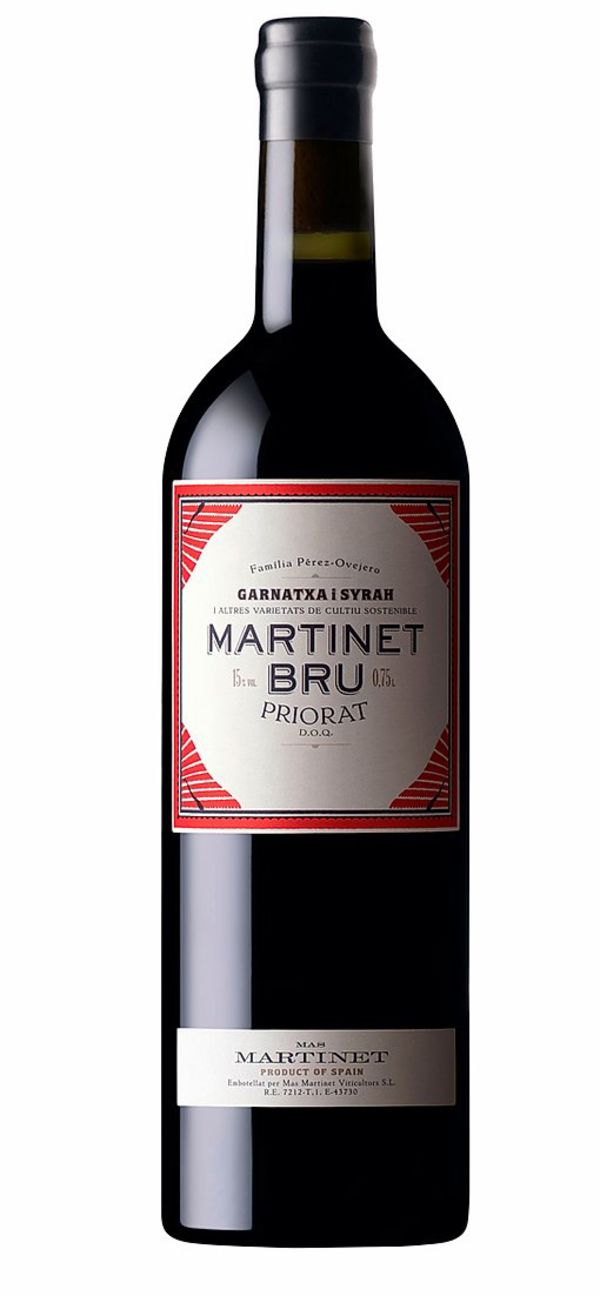
MAS MARTINET BRU PRIORAT 2022
Priorat in 1981 was a place people were leaving. Josep Lluís Pérez and Montse Ovejero arrived that year and started Mas Martinet, one node in the small group now credited with restarting the region alongside René Barbier, Álvaro Palacios, Carles Pastrana and Daphne Glorian. What they bet on was llicorella, the steep broken slate that makes the place nearly unfarmable, as the asset rather than the obstacle. Their daughter Sara Pérez runs the winemaking now, and Bru is where that project is legible without the flagship's weight: blackberry and liquorice, a rosemary edge, tannin with somewhere to go.
Drink it with lamb, or anything off a charcoal grill. It sits mid-shelf, at the accessible end of an appellation that mostly doesn't have one. Forty years on, Priorat's geological argument is one the region actually earned.
Until next Thursday,
Adrian, TERROIR