
TERROIR
THE FEATURE
The Sustainability Seal Alphabet Soup: What CCSW, LODI RULES, And SIP Actually Require
Four small seals crowd a California back label: CCSW, LODI RULES, SIP, often the USDA Organic leaf beside them. The shopper assumes a green badge means a shorter ingredient list. It doesn’t. CCSW audits 151 vineyard and 113 winery practices; LODI RULES sorts more than 150 standards into six categories, one devoted entirely to labor; SIP splits the same ground across fourteen chapters.
What none of the three California programs does is ban a class of inputs. A certified vineyard can still spray a synthetic herbicide, as long as the use is documented and reviewed; only the USDA Organic seal works by outright prohibition, with a short list of named exceptions. The seal doesn’t tell you what isn’t in the bottle—it tells you which program checked which practices on the way there. A more honest claim than the shelf implies, and a less reassuring one.
THE DISPATCH
Latest from this week

The EU-US tariff deal clears committee
On June 2 the European Parliament’s trade committee approved the EU-US tariff framework 31-6-3, setting a 15% ceiling on most European goods entering the US and a 0% rate on US industrial goods in return. The deal runs through 2029, but a clause lets Brussels suspend it if Washington keeps its steel and aluminium tariffs past year-end—which is the line wine importers should watch, because another round of pricing volatility hangs on it.

France braces for an August harvest
Flowering ran one to two weeks early across France this year, around May 15 in the south and May 20 near Bordeaux, after the national thermal index hit a May record of 24.8°C and seventeen departments went under orange heat alert. CNIV president Bernard Farges told AFP to expect an August harvest, with ‘all the difficulties of recruitment’ that picking in peak-summer heat brings. For French growers, early August is starting to look less like an anomaly than the calendar.
THE PICK
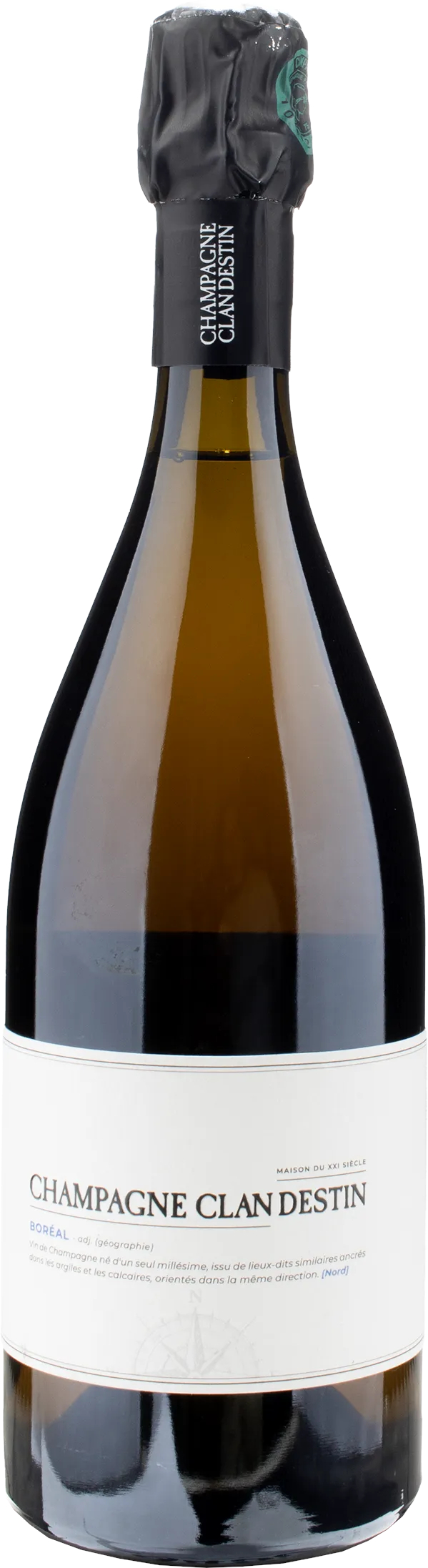
CHAMPAGNE CLANDESTIN BORÉAL BRUT NATURE 2022
If a seal is a claim about how a grower farmed, here is a wine built on growers who took the strict version of it. Benoît Doussot came to Champagne from Burgundy with no family vineyards, and in 2015 began buying from bio-certified growers across seven villages of the Côte des Bar—organic farmers who’d struggled to be paid for the difference. Boréal is the north-facing half of his range, counter-traditional in a region built on south-facing slopes: 100% Pinot Noir off mid-slope Kimmeridgian limestone at Bar-sur-Aube, all press juice, zero dosage. Straw-copper in the glass, taut and saline.
Jeb Dunnuck scored it 95. It drinks like a Blanc de Noirs that wants food—roast chicken, a tray of cheese, anything with fat to meet its line of acid. At $90.99 on Wine.com it isn’t an everyday pour, but it’s a clear-eyed look at where grower Champagne is going: bought fruit, named parcels, nothing added on the way out.
Until next Thursday,
The editors of TERROIR