

THE FEATURE
It Was Never the Color: Iron, Sulfite, and the Fishy Aftertaste the “White With Fish” Rule Was Avoiding
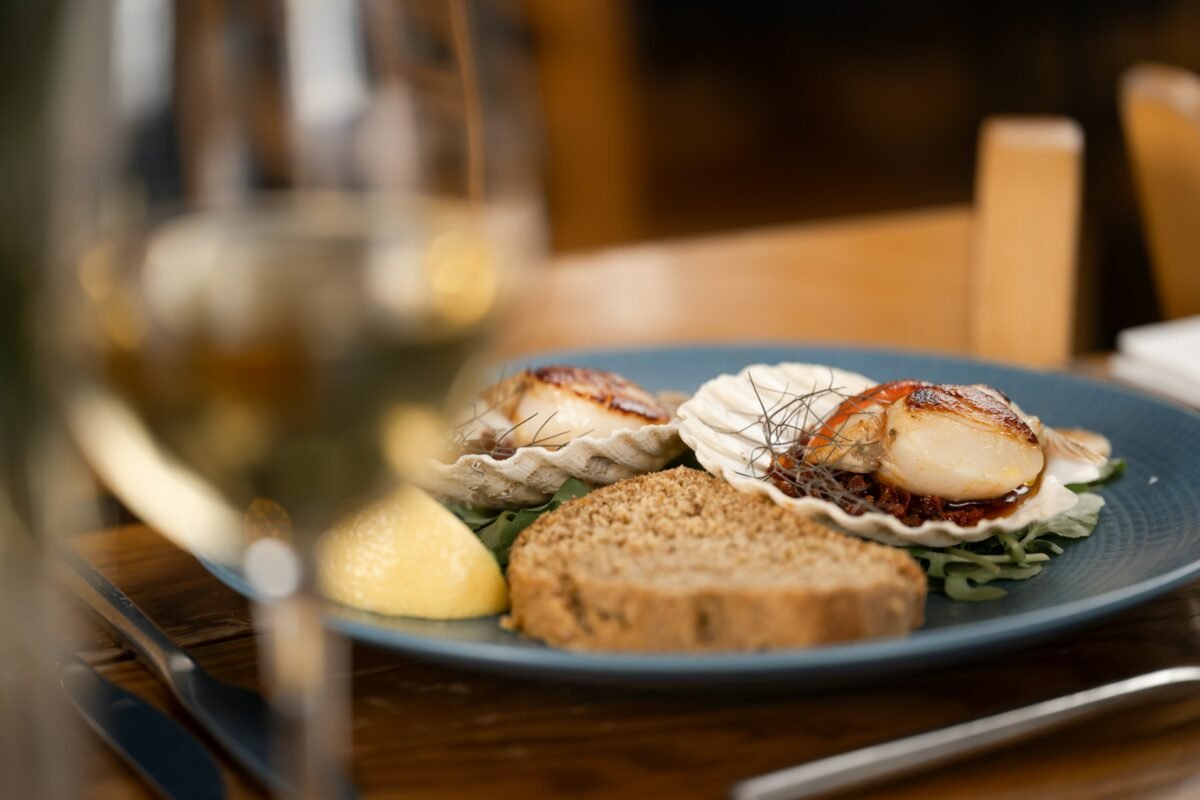
In a laboratory in Fujisawa, south of Tokyo, a tasting panel ate dried scallop with 38 red wines and 26 whites, then rated how fishy each pairing tasted. The chemists measured every bottle. The variable that tracked the scores was not color but iron: add ferrous iron to a model wine and the fishiness rose, strip it from a red and the fishiness fell.
A year later, a laboratory in Higashi-Hiroshima paired white wine and sake with dried squid. The white fared worse, and the researchers suggest the sulfite in wine helps break down the fish's fats into off-flavors. So the old rule was steering diners around one reaction and straight into another. It held up for generations, for reasons nobody at the table could name.
THE DISPATCH
Latest from this week

Michelin's Wine Grapes Leave France: Piedmont Gets Italy's First Selection on 19 January
Michelin announced on November 24 that Piedmont will be the first European region after France to receive its MICHELIN Grapes, with the selection presented on January 19. Estates are rated from one to three grapes, plus a Recommended list, on five criteria: agronomy, technical mastery, identity, balance and consistency. After Burgundy and Bordeaux, WineNews reports, Champagne follows on February 4 and Napa Valley on April 23.

Who Takes the Grape Skins Now? Australia's Big Marc Distiller Tarac Is Closing
Tarac Technologies, which the trade journal WBM calls Australia's largest distiller of grape spirit, treats more than 135,000 metric tons of grape marc a year. Its owner failed to find a buyer, and WBM reported on November 19 that its residual services at Samuel Road, Berri and Griffith stop immediately. ABC News reports about 50 jobs will go, and chief executive Jeremy Blanks says Tarac was South Australia's only consolidator of winery residuals. The skins still need somewhere to go.
THE PICK
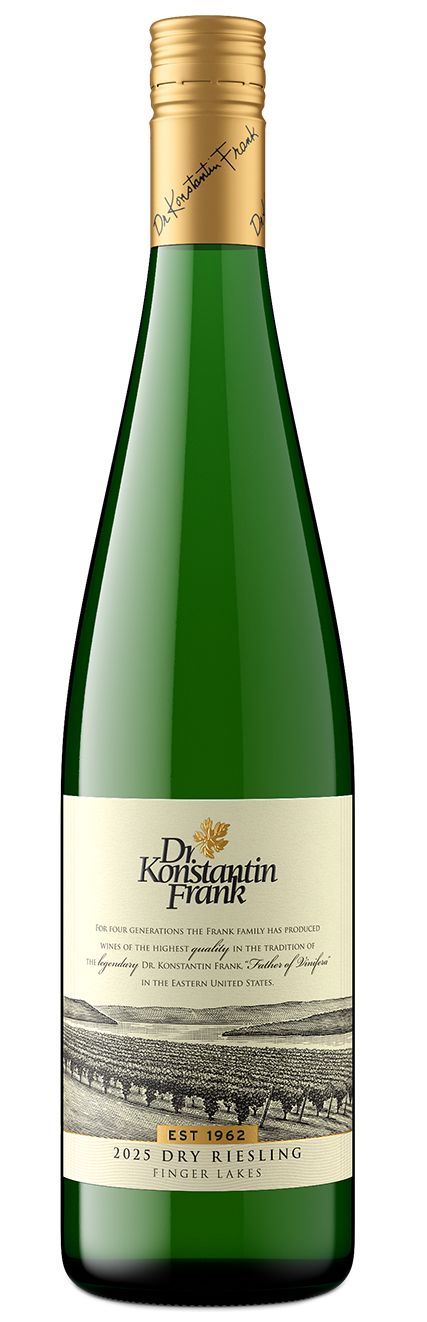
DR. KONSTANTIN FRANK DRY RIESLING 2025
Konstantin Frank earned a viticulture Ph.D. in Odessa in 1930 and reached New York in 1951. Working at Cornell's Geneva Experiment Station, Wine Spectator reports, he argued that European vinifera was the future when conventional wisdom held the state was suited only to American varieties and hybrids. In 1958 he bought 188 acres on the western shore of Keuka Lake, and in 1962 he founded Vinifera Wine Cellars there.
The winery calls this Dry Riesling “the wine that started it all.” The 2025 blends more than 40 Riesling cuvées, unoaked, five months on its lees, 12% alcohol, and it sits at the accessible end of the shelf. For tomorrow's table, an immigrant's argument in a glass.
Until next Thursday,
Adrian, TERROIR Journal