
TERROIR
THE FEATURE
Paid by the Depth of the Hole: Why a Vineyard Keeps Its Shape Only When Something Else Pays for It
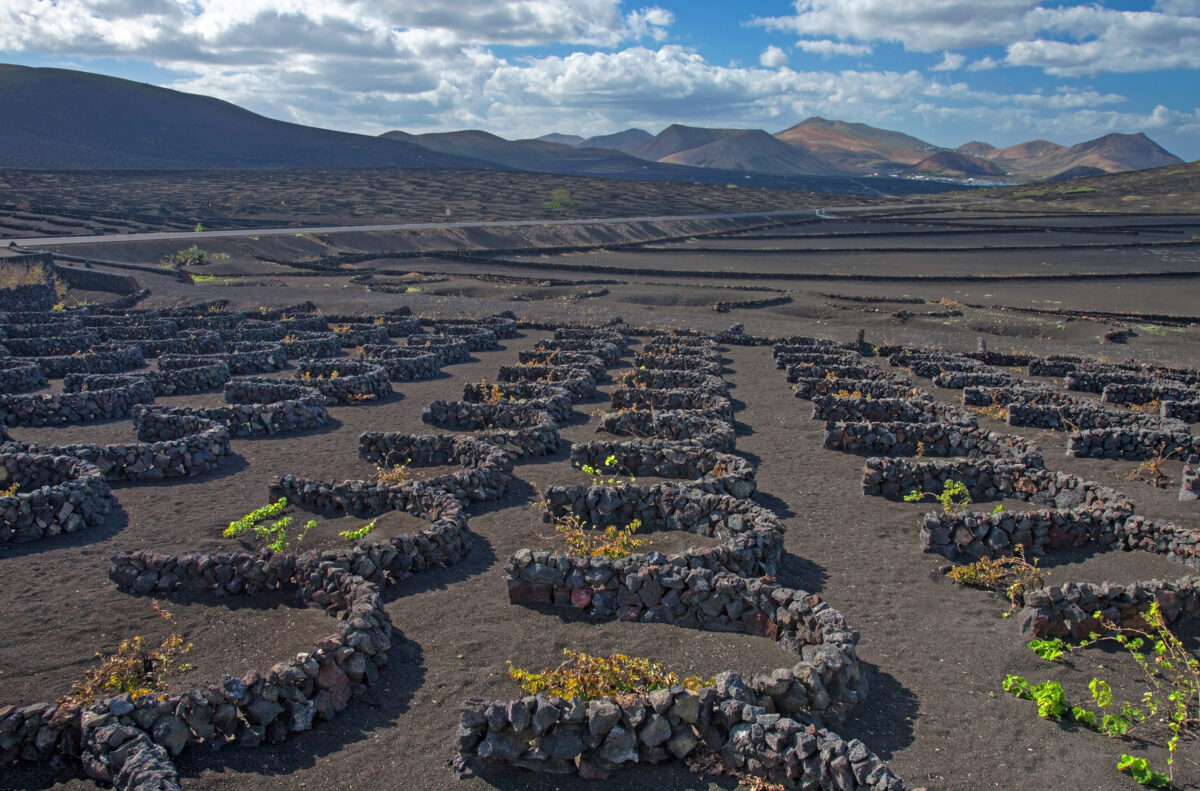
On Lanzarote, the depth of a hole now has a price schedule. The island council's new subsidy for the growers of La Geria pays by how deep each vine's hand-dug pit runs: beyond a meter and a half earns the most, thirty centimeters the least. It may be the only agricultural subsidy in Europe priced by the shovel.
The pits exist because the island exploded—eruptions in the 1730s buried the farmland under black ash, and growers dug down through it to plant one vine per excavation. The architecture is brutally inefficient, and the appellation's vine-maintenance figures record a 19.5 percent fall since 2002. Nothing about the wine caused that. The labor did. A vineyard keeps its shape, the piece argues, only when something else agrees to pay for it.
THE DISPATCH
Latest from this week
Eight Growers, Thirty-Eight Hectares, No Wine — France Loses a Whole AOC's Production for the First Time
AOC Saint-Sardos, a small red-and-rosé appellation northwest of Toulouse, will declare no wine at all from the 2026 harvest—what the drinks business calls the first time France has lost an entire AOC's production. The cooperative behind 97 percent of its volume went into voluntary liquidation after the supply base shrank to eight growers on thirty-eight hectares; the only other producer is moving its wines to Vin de France. INAO is expected to place the name in mise en sommeil rather than abolish it: asleep, not dead, with the door left open.
Six Generations, $39.1 Million in Liabilities — Sonoma's Gundlach Bundschu Files Chapter 11
Gundlach Bundschu, which has farmed the same Sonoma ground since 1858, filed for Chapter 11 on 23 September with $39.1 million in total liabilities on its petition. The court documents name the cause precisely: a debt-financed 2020 purchase of the sixty-acre Abbot's Passage estate, closed weeks before COVID-19 shut down tasting rooms. Costs were cut by more than half and the lenders still rejected three offers as “well below the secured debt amount.” The winery stays open through the restructuring, but the sixth-generation family expects to come out holding a minority stake.
THE PICK
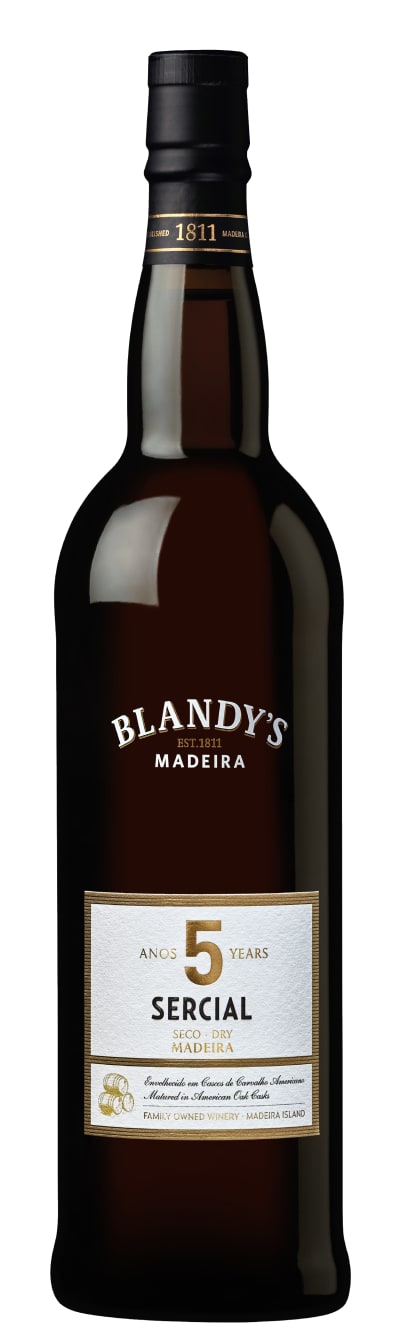
BLANDY'S 5 YEAR SERCIAL DRY MADEIRA
Almost every fine wine is protected from heat. Madeira is cooked on purpose, and the island's regulator writes the temperature into the rulebook: for estufagem, hot water at 45 to 50 degrees Celsius through a coil, for never less than three months. Sercial is the variety IVBAM ties to the dry end—high acid, austere, grown cool and high.
The sweetness is a decision about a clock, not a blend. Blandy's leaves its dry styles fermenting seven days before fortification against roughly one for the rich ones—the whole distance between the sticky Malmsey most people picture and this bone-dry, saline, walnut-edged thing. At the accessible end of the shelf, and in no hurry once you open it.
Until next Thursday,
Adrian, TERROIR