
TERROIR
THE FEATURE
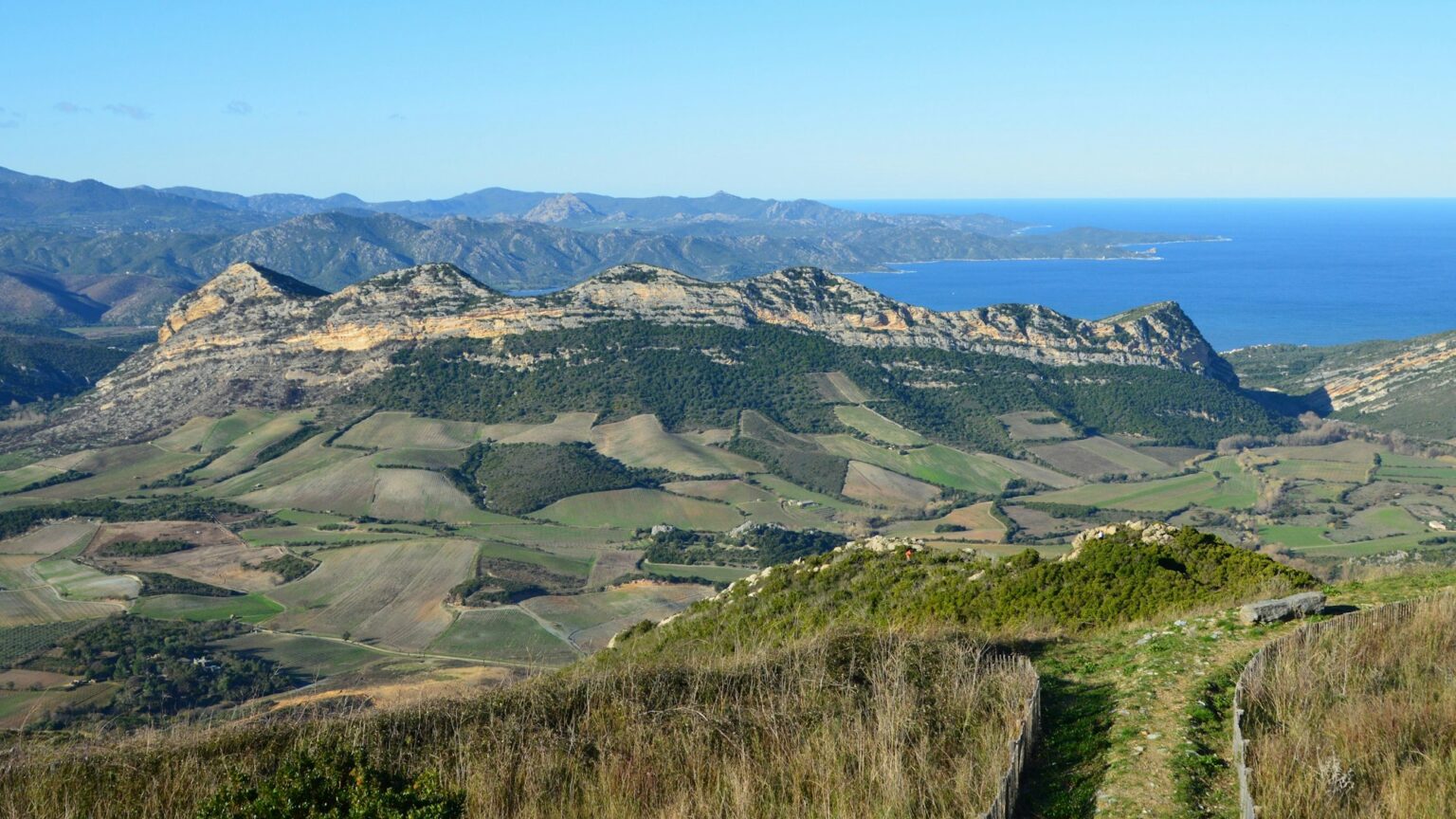
Vermentino's Three Homes: One Grape, Three Rulebooks in Sardinia, Liguria, and Corsica
Late in the season on the terraces of Liguria's Arroscia valley, Pigato bunches take on rust-colored freckles, and the name records it: Italy's variety register traces it to a dialect word for spotted. In 1995 a DNA study ran Pigato, Favorita, and Vermentino through microsatellite analysis and could not tell them apart. One genome, three passports.
What the passports record is place, and the rulebook that comes with it. Vermentino di Gallura, Sardinia's only DOCG, writes granite into law: eligible vineyards must sit on decomposed granite below 500 meters. Corsica's Patrimonio demands 100 percent Vermentino on schist and limestone. Sardinia now grows 5,086 hectares of the grape, up from 2,486 in 1990, while the native Nuragus has fallen from 8,658 hectares to 1,839. Read the appellation before the grape.
THE DISPATCH
Latest from this week

America's Biggest Wine Distributor Settles With the FTC—Southern Glazer's to Pay Small Shops If It Overcharges Them
On October 2 the FTC settled its Robinson-Patman case against Southern Glazer's, "the nation's largest distributor of wine and spirits," with an order covering nearly all its sales to the five largest chain retailers in 26 states. Where Southern sells the same bottle to a chain and, at a significantly higher price, to a nearby independent shop, it can resolve the violation by paying that retailer 1.5 times the aggregated price difference, under an independent monitor for six years. It settles the FTC's first Robinson-Patman enforcement action in a generation.

Old Vines Get a Label: The Old Vine Registry Launches a Seal From 35 to 150+ Years
On October 1 the Old Vine Registry, a public database of more than 12,500 vineyards planted 35 or more years ago, launched the OVR Seal. A wine may carry it when at least 85 percent of its grapes come from registered vineyards, at one of five age tiers from 35+ to 150+ years, for a one-time $300 fee. It is "not a certification of quality, sustainability or farming practices," only of age. Ten producers in seven countries, among them Sonoma's Seghesio and Bedrock and Gascony's Plaimont, are first to use it. Behind each seal sits a registered vineyard a drinker can look up.
THE PICK
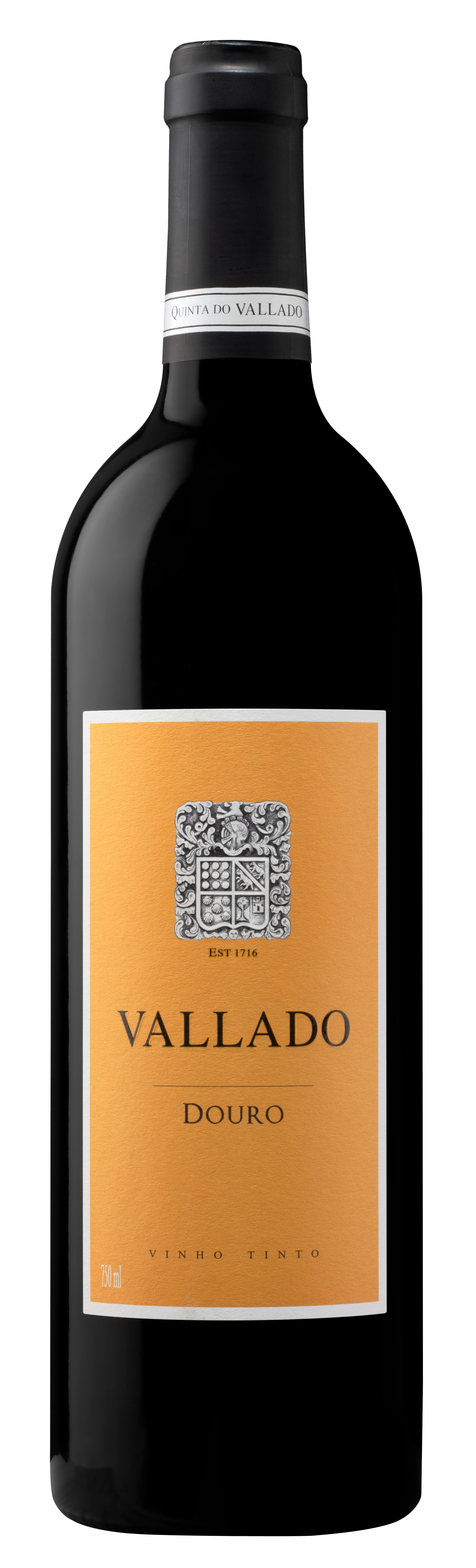
QUINTA DO VALLADO DOURO TINTO 2024
Quinta do Vallado sits on the banks of the Corgo, close to where it meets the Douro near Peso da Régua. The producer dates the estate to 1716; by the nineteenth century it belonged to Dona Antónia Adelaide Ferreira, the figure the Douro still calls Ferreirinha, and it remains with her descendants. For most of its life the estate's grapes went into Port through the family's house, Casa Ferreira. That house was sold in 1987, and the family had to build a dry-wine identity almost from scratch.
The pivot has since inverted the business: still wines now account for roughly 80 percent of production, Port for 20. The Douro Tinto is the estate's entry red and the most direct way into that reinvention, priced at the accessible end of the Douro's range. Open it with grilled sardines, or a plate of presunto and a bowl of olives.
Until next Thursday,
Adrian, TERROIR