
TERROIR
THE FEATURE
Champagne's Single-Vineyard Turn: The Lieux-Dits Movement After Selosse
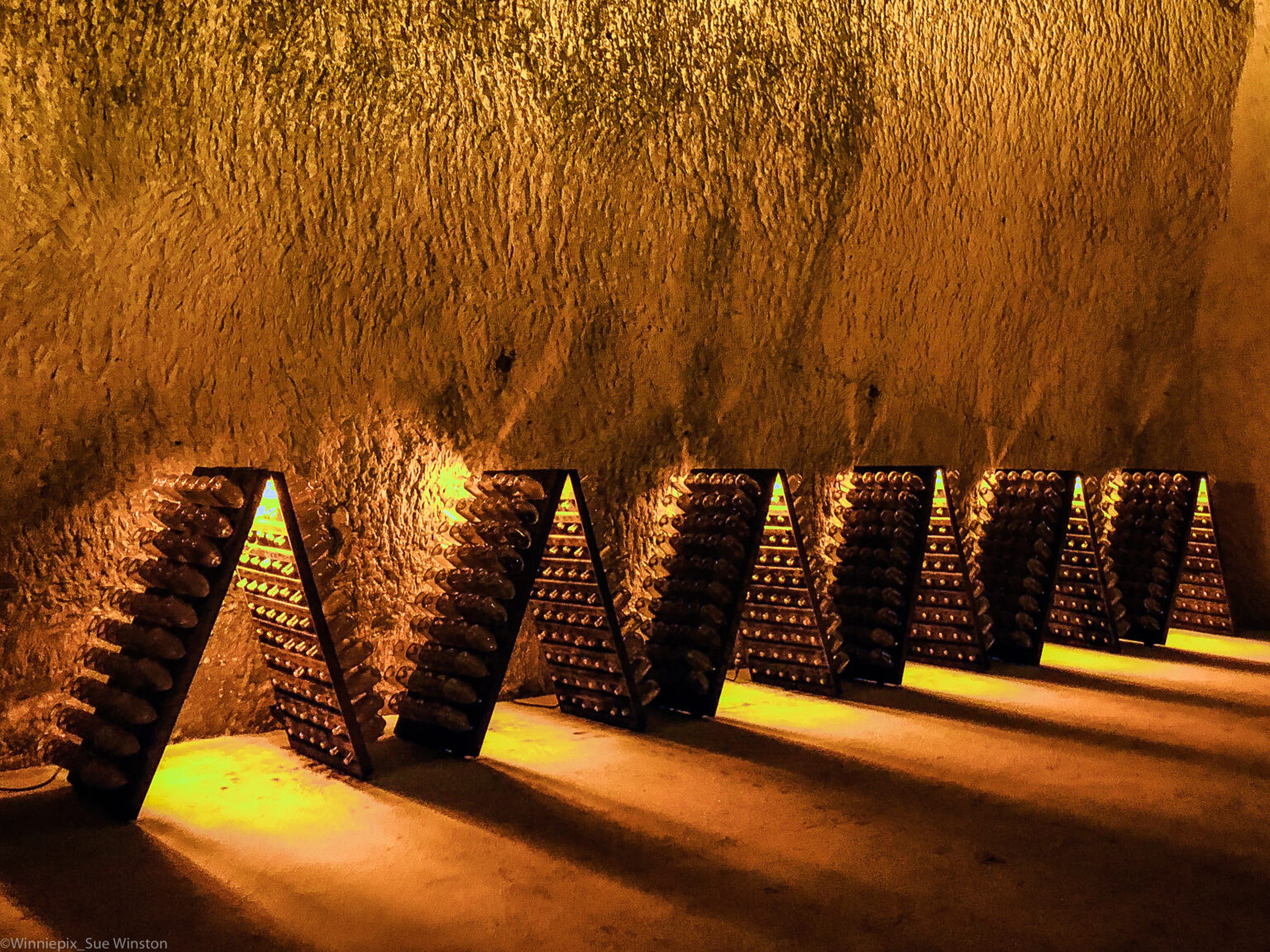
Each winter, a Champagne cellar master sits before dozens of glasses of thin, sharp still wine and blends them into something that tastes like last year, and the year before that. For three centuries that act of erasure, building one constant house style across villages and vintages, has been the soul of the region. A growing cohort of its most closely watched growers now does the reverse: one parcel, one year, the name of the plot on the label.
The practice is called parcellaire, and its patron saint is Anselme Selosse of Avize, whose Lieux-Dits collection bottles six plots on their own. Cédric Bouchard carries it furthest in the Côte des Bar, whose Kimmeridgian limestone is the same seam that runs under Chablis an hour south. Grower Champagne has climbed to roughly 15 percent of production, and a generation there has decided its ground is finally worth naming.
THE DISPATCH
Latest from this week

The Cristal of Cristals
In late June, Champagne Louis Roederer gathered 650 guests in Reims to mark two anniversaries at once: the house's founding in 1776 and the 1876 creation of Cristal for Tsar Alexander II. It celebrated by re-releasing its reference vintage, the 2008, disgorged in March 2022 after 13 years on the lees at 8 g/L dosage. Cellar master Jean-Baptiste Lécaillon called it “the Cristal of Cristals.”
Italy caps the 2026 harvest
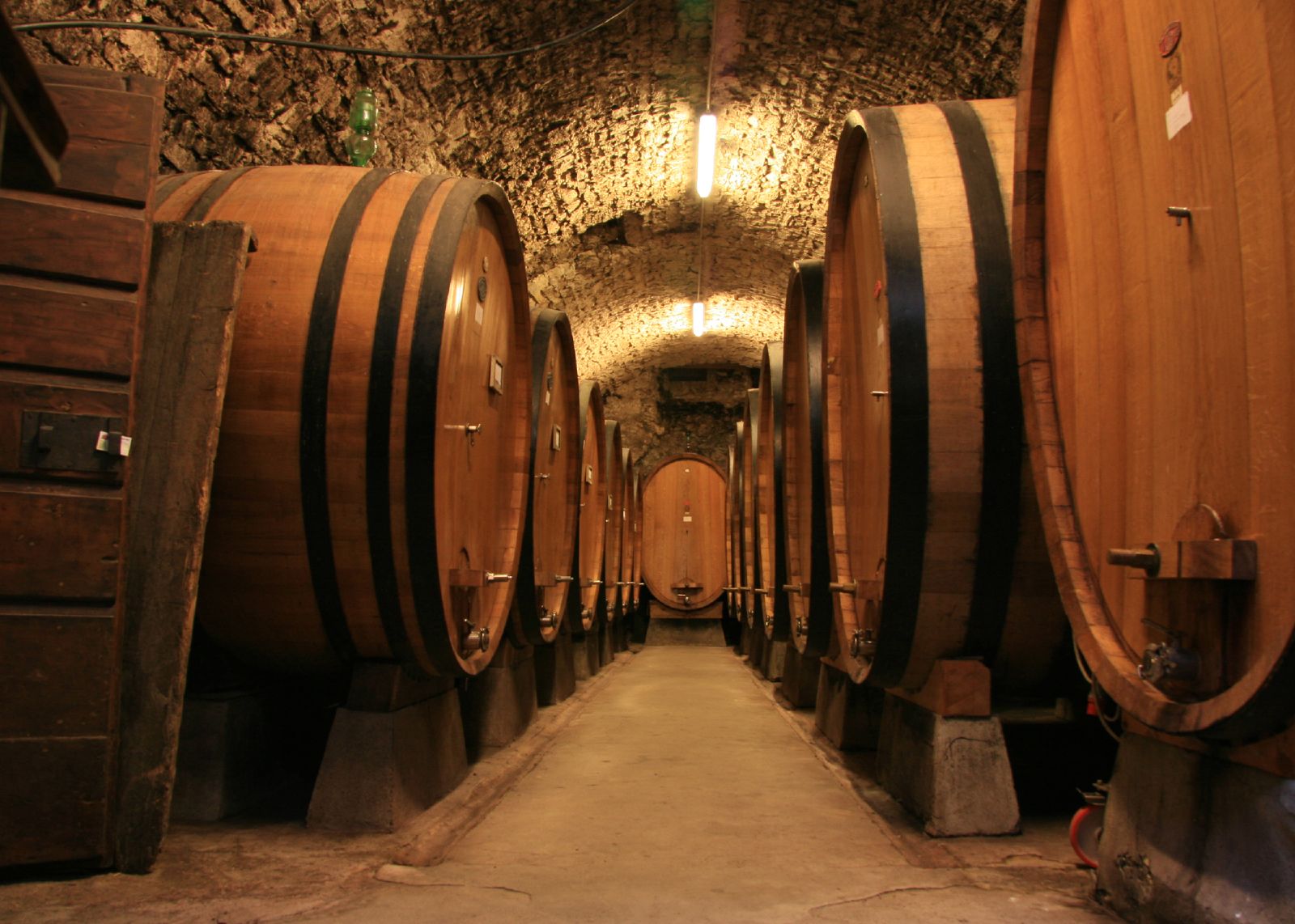
Italy's cellars held 49.1 million hectoliters of unsold wine at the end of May, more than a full average harvest, and its consortia are trimming 2026 yields to stop bulk prices collapsing. Chianti has asked for a 20 percent cut, Chianti Classico proposes dropping from 75 to 65 quintals per hectare, and on June 26 the Langhe consortium cut Nebbiolo and Barbera d'Alba by 10 percent while leaving Barolo and Barbaresco untouched.
THE PICK
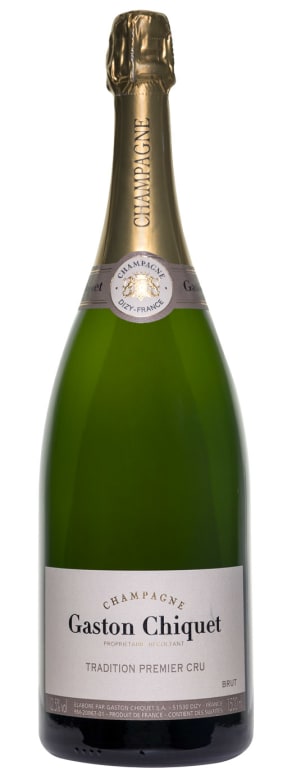
GASTON CHIQUET BRUT TRADITION PREMIER CRU
When Fernand and Gaston Chiquet began bottling their own wine in Dizy in 1919, most growers still sold their grapes to the great houses. The family was among the first to put its own name on the cork, and four generations later Nicolas Chiquet still farms the 23 hectares of Premier and Grand Cru vines that go into every bottle, the everyday Tradition included. It pours pale and fine: green apple and lemon over a base of chalk and toast.
The house is known for a small act of defiance—it plants Chardonnay in Aÿ, a village synonymous with Pinot Noir, and bottles the result as a rare Blanc de Blancs. That instinct for place carries into the Tradition, a grower's Champagne from a family that bottled its own wine long before the movement the Feature traces made it fashionable. At $51.99, it is grower Champagne you can justify on a Thursday, not only a celebration.
Until next Thursday,
Adrian, TERROIR