
TERROIR
THE FEATURE
Paid to Pull the Vines: How the EU's New Wine Law Makes Vineyard Removal Permanent
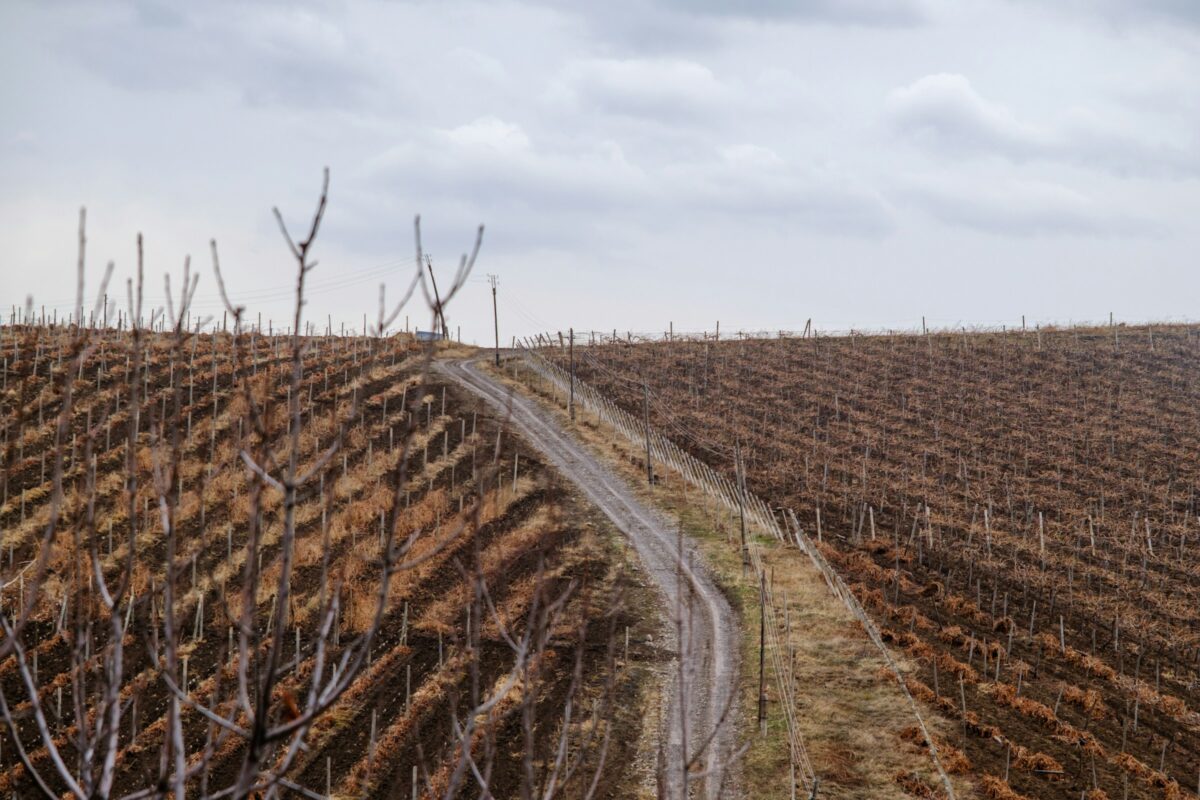
The clause sits near the end of the paperwork, after the parcel is measured and the compensation calculated. A grower who takes European Union money to pull out a vineyard forfeits the right to apply for new planting authorizations for ten marketing years, and any authorization already in hand is revoked the moment the application clears.
Regulation (EU) 2026/471 writes that lock twice. One version rides on national payments, which carry no annual ceiling and can cover the cost of removal plus a full year of lost revenue. The other is a named intervention inside the Common Agricultural Policy, funded up to 70 percent by Brussels. The preamble says the second was built to match the first, so the repetition is not a drafting accident.
Europe has paid for removal before. The 2008 premium cleared 160,550 hectares and handed each grower back a replanting right, so the vineyard went and the right to plant one stayed. This time there is no route back. Parliament passed the regulation 625 votes to 15, and Member States may still shield vineyards with a landscape role, which leaves somebody deciding, region by region, which vines are landscape and which are merely supply.
THE DISPATCH
Latest from this week
Thirty Sat, Four Passed — One of Them on His Ninth Attempt at the Master Sommelier Exam
Thirty candidates sat the Master Sommelier Diploma Examination in Houston from 8 to 10 September. Four passed. Steven Washuta got through on his ninth attempt; Alex Mares, who failed only the service portion in 2025, came back with the highest score in the cohort. The Court of Master Sommeliers, Americas puts the worldwide total at 305 and calls the credential “exceptionally rare.”
THE PICK
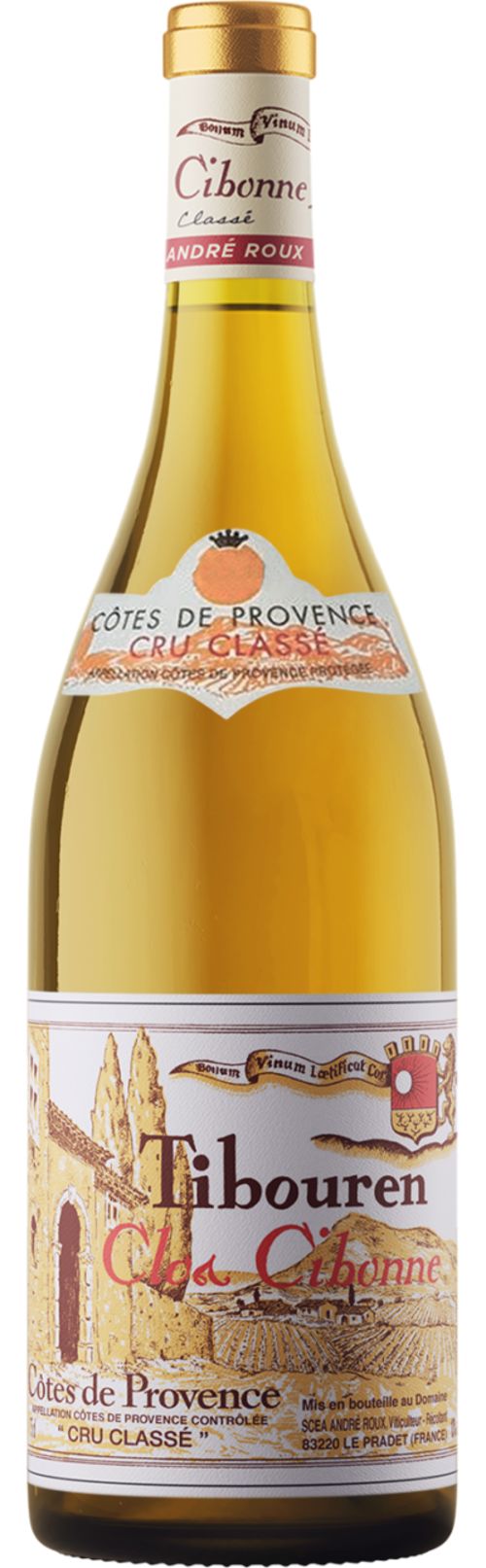
CLOS CIBONNE CUVÉE TRADITION ROSÉ 2024
Tibouren is the only grape native to Provence, and it very nearly went out with phylloxera: mildew-prone, uneven in ripening, quick to oxidize. Around 500 hectares survive in the whole region, most of it buried in other people's blends. Clos Cibonne kept planting it. The estate ages the wine in hundred-year-old 5,000-liter foudres, left deliberately part-empty so a veil of flor forms on the surface, and that veil is where the savory edge comes from.
The wine is darker than the category trained anyone to expect, and it keeps, behaving more like a white wine with a cellar than a bottle with a season. Clos Cibonne was named a Côtes de Provence cru classé in 1955, one of eighteen, and alone among the appellation's wines it may name its grape on the label. Mid-shelf, and the argument for it is printed on the front of the bottle.
Until next Thursday,
Adrian, TERROIR