
TERROIR
THE FEATURE
Saignée or Direct Press: Why Rosé's Color Is a Record, Not a Verdict
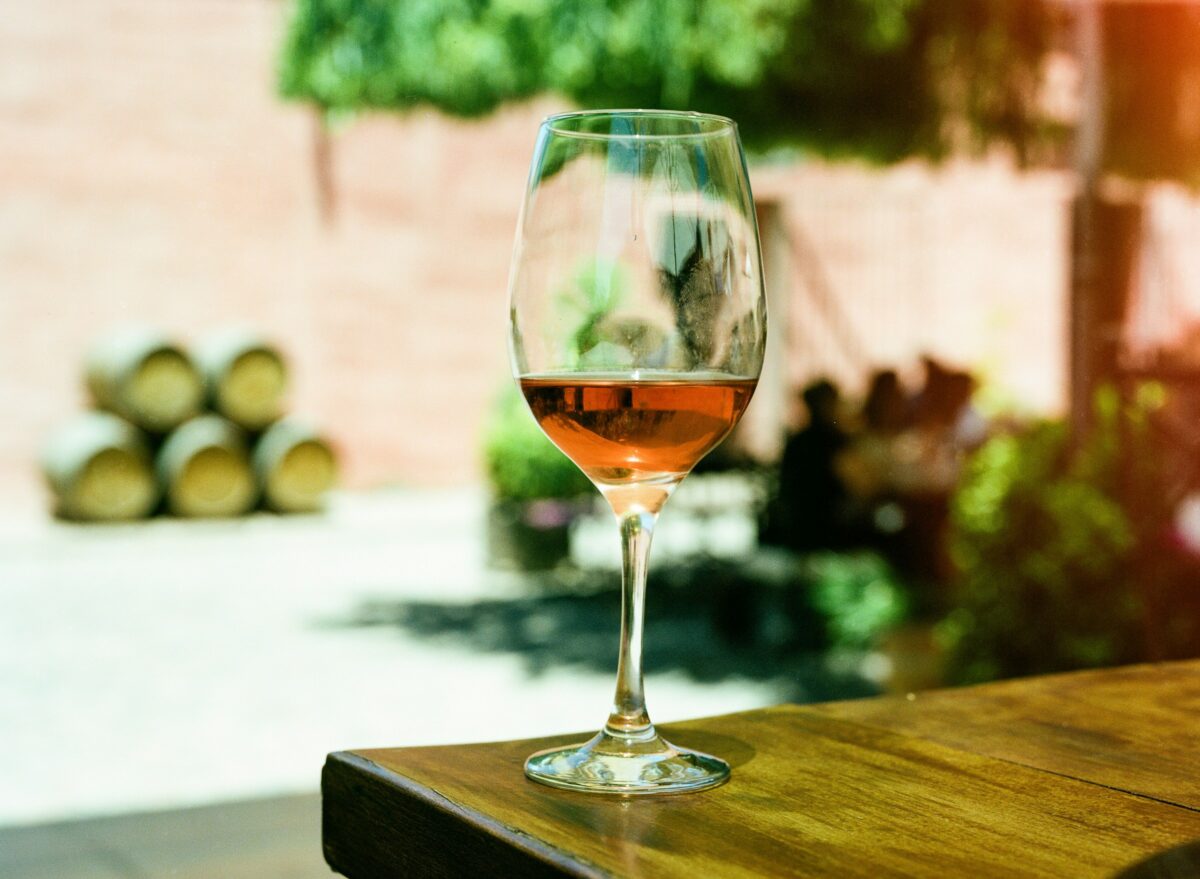
The rosé shelf runs from nearly colorless through onion skin to something close to cranberry, and the eye reads that spread as a ranking with the palest on top. It isn't one. Color records skin contact, and skin contact records a decision made in the cellar—direct press, or juice bled off a fermenting tank of red.
The sharper account is economic. In the Journal of Wine Economics, Costello, Deschênes, Kolstad, Plantinga and Thomas model saignée as a tradeoff rather than a flavor question: their quality-maximizing bleed sits near 25 percent, the profit-maximizing one lower, and it moves with what the rosé itself can command. Where rosé outearns the red, the model tips to bleeding the whole tank.
THE DISPATCH
Latest from this week

A 24-Year-Old Italian Importer Files Chapter 11
Vitis, Inc. of Inglewood, California, which built its book around 112 Italian wineries, filed for Chapter 11 on August 3 in the Central District of California, listing liabilities of $500,001 to $1 million against assets under $500,000. The abstract talk of a demand slowdown has a concrete shape here: the small family estates it carried now need another route into the US market.

Oregon Bets on Traditional-Method Sparkling
Tiffany and Grant Austin opened Perlée in the Dundee Hills on August 1, a 70-plus-acre organically and dry-farmed estate on volcanic Jory soils making sparkling wine by the traditional method. The culinary program runs under Brian Barker, formerly of the three-Michelin-starred Smyth in Chicago. Willamette Valley's reputation was built on Pinot Noir; this is a bid for the rest of the table.
THE PICK
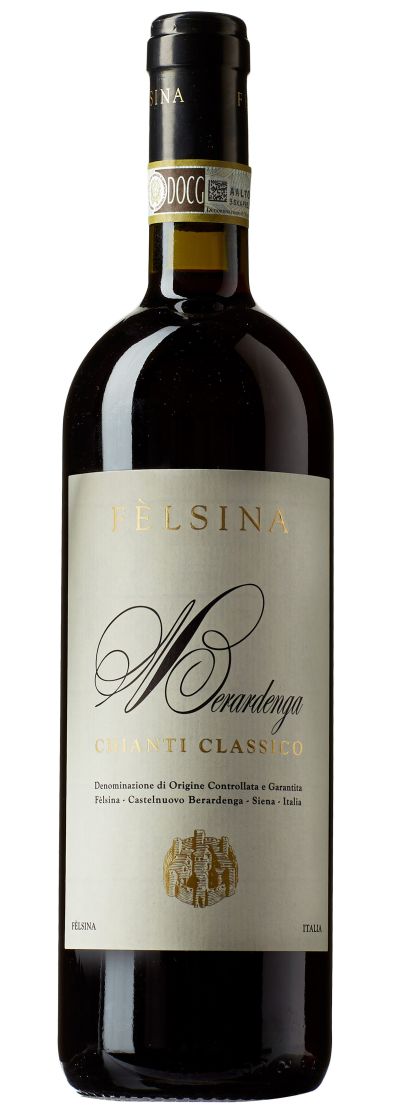
FÈLSINA BERARDENGA CHIANTI CLASSICO 2022
Domenico Poggiali came from Emilia-Romagna and bought the estate at Castelnuovo Berardenga in 1966, releasing his first Chianti Classico the following year; grandson Giovanni has run it since 1990. Seventy-two organically farmed hectares sit at the southeastern end of Chianti Classico, spilling into the Colli Senesi zone with Siena visible some nine miles off—Mediterranean scrub, wild berry and a crack of black peppercorn in the glass.
This is Sangiovese written plainly rather than loudly: fine-grained tannin, acid enough to cut a ragù or a wedge of aged pecorino. It sits at the accessible end of Chianti Classico's range, and it is the bottle to keep buying when you want to know what the appellation actually tastes like.
Until next Thursday,
Adrian, TERROIR