
TERROIR
THE FEATURE
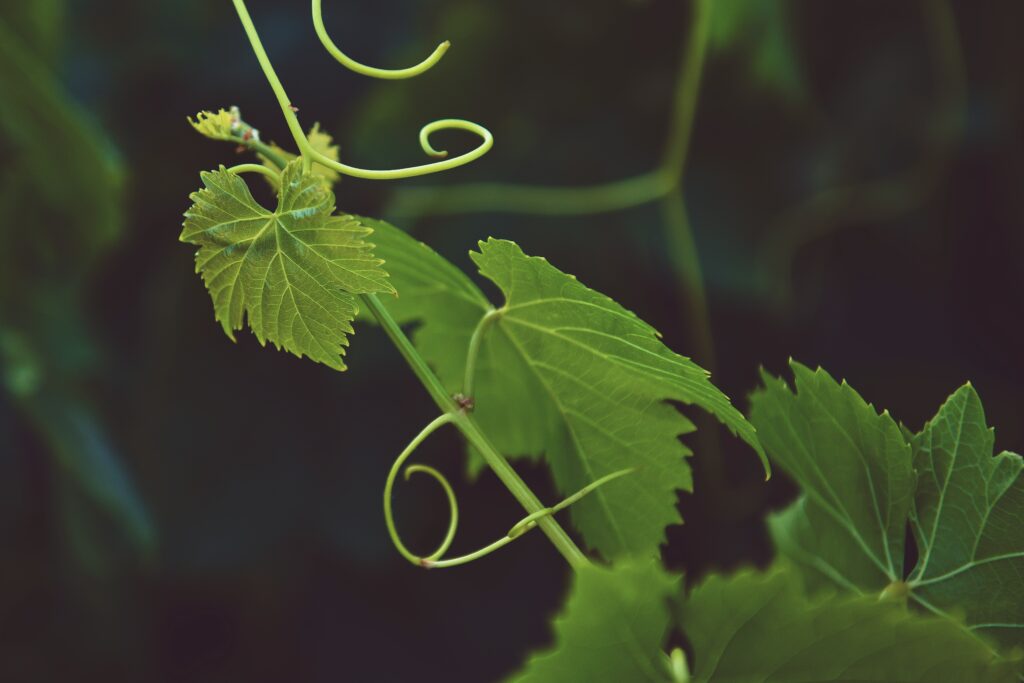
The Vine That Fights Back: How PIWI Hybrids Are Quietly Rewriting the Spray Diary
By August of a wet European season, an organic grower may have climbed the same rows a dozen times, tank in tow, spraying against two American fungi that arrived in the nineteenth century and never left. Certification changes the chemistry in the tank. It does not change the calendar.
PIWI grapes cross vinifera with wild American and Asian vines to carry the resistance vinifera never had, and the German Wine Institute puts plant-protection measures cut by up to 80 percent. An April 2026 life-cycle study on a Luxembourg vineyard found resistant cultivars saved an average of roughly $790 (€685) per hectare each year. Champagne has now admitted Voltis, the first resistant variety allowed into a French appellation, capped at 5 percent of a grower's vineyard.
THE DISPATCH
Latest from this week

Kelowna vineyards above Okanagan Lake, British Columbia.
A 1930 Statute Puts a 50% Tariff on Canadian Wine
The 50 percent U.S. tariff on Canadian alcoholic beverages took effect on 22 August, three days later than first proclaimed. The instrument is the story: Section 338 of the Tariff Act of 1930, a near-dormant retaliation power, and 50 percent is the statutory ceiling rather than an opening bid. The trigger was retail. After every Canadian province and territory pulled American drink from its shelves in March 2025, Canadian imports of U.S. alcohol fell roughly 81 percent, from about $718 million to about $137 million, while Chile, Japan, Argentina, Ireland, New Zealand and Australia rose to fill the gap.

Vineyards in the Columbia Gorge, Washington State.
Columbia Hills: 29,387 Acres, 338 Acres Of Vines
On 17 August the TTB signed the final rule establishing Columbia Hills, the newest American viticultural area on the agency's register. It covers 29,387 acres in Klickitat County and contains, by TTB's own count, approximately 338 acres of vineyard across 19 property owners and four wineries. Barely one percent of the map is planted. The boundary follows a geology rather than an industry: south-facing terraces that ice-age floods cut into basalt along a 35-mile ridgeline above the Columbia River. No label may carry the name until 16 September.
THE PICK
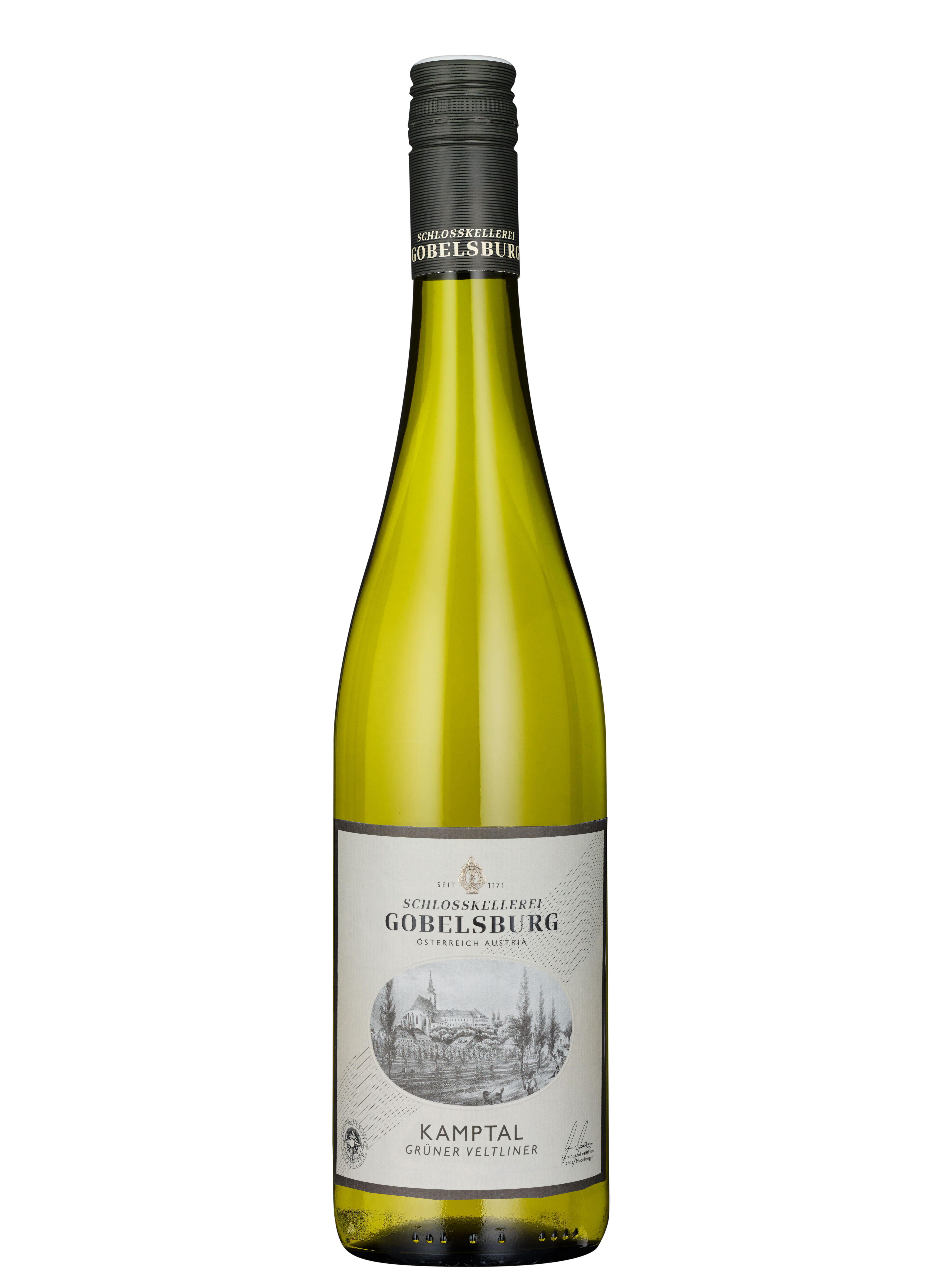
SCHLOSS GOBELSBURG SCHLOSSKELLEREI GOBELSBURGER GRÜNER VELTLINER 2025
The estate's own chronology starts in 1171, when the monks of Zwettl were granted their first vineyards at the Heiligenstein and the Gaisberg. The order bought the castle in 1740, and after a fire at Kammern in 1786 moved winemaking to Gobelsburg itself. Michael and Eva Moosbrugger have run the property since 1996. This bottling sits at the base of their three-tier pyramid, below Ried Heiligenstein and Ried Lamm.
The Gebietswein is the regional tier, made to be poured rather than cellared: screw cap, 12.5% alcohol, a bottle built for a Tuesday table. What earns it the slot is the gap between that brief and its address. Vineyards documented to the twelfth century, sold at the accessible end of the shelf.
Until next Thursday,
Adrian, TERROIR