
TERROIR
THE FEATURE
Second Fill: Burgundy’s Long, Uneven Retreat from New Oak
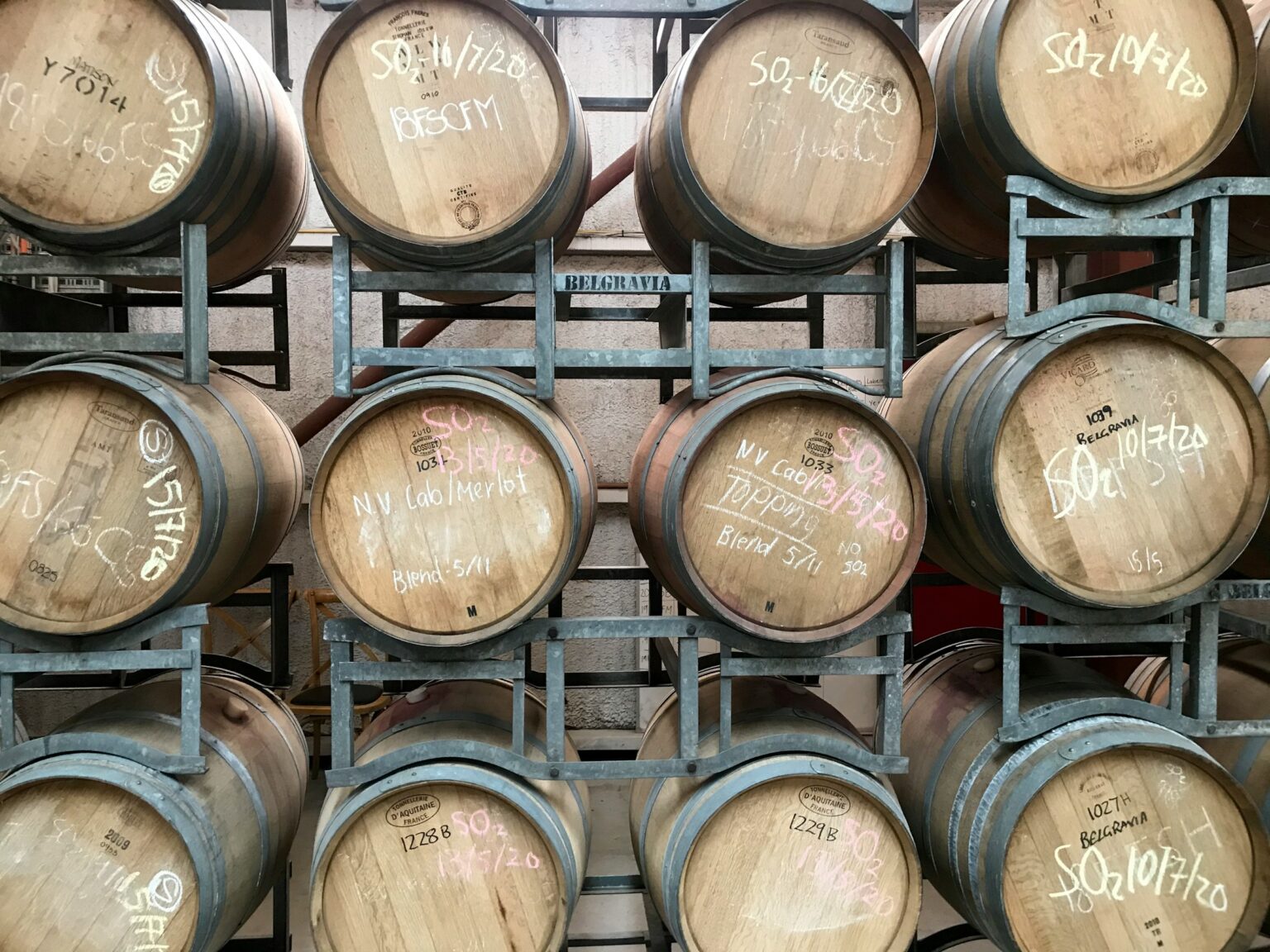
Neal Martin’s report on the 2024 Burgundies holds a small experiment. One cuvée was split two ways, part raised in a ceramic Clayver and part in a barrel that had held one previous vintage, and the used barrel won. Across the vintage, Martin found most winemakers cut their share of new oak. The reason was inventory, not philosophy: two big harvests had left cellars full of used barrels.
Money pushes the same way. French coopers’ figures show the average barrique up about 17 percent in two seasons, and one grower puts a new barrel at four times the price of a used one. Yet Sarah Marsh MW found many Côte de Nuits producers held their new oak or used more. The Côte d’Or did not agree with itself, and that split is the real story.
THE DISPATCH
Latest from this week
$1.37 a Liter (€1.22): Bordeaux Publishes Its First Bulk-Price Signal for Red Wine
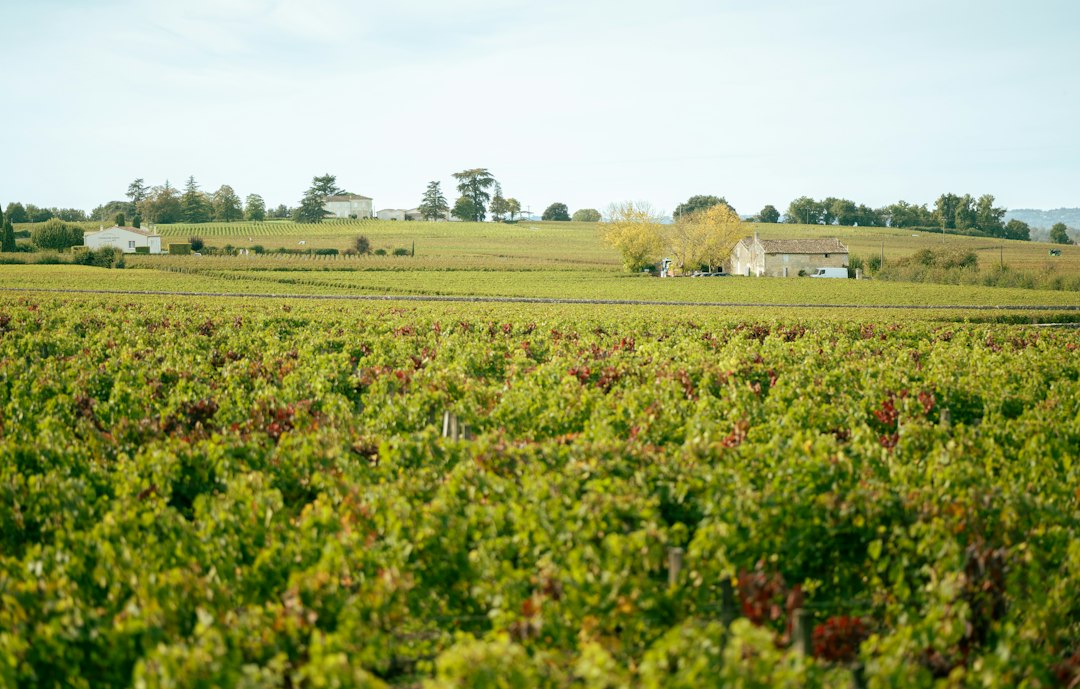
On October 20, the Bordeaux wine council (CIVB) published its first voluntary guide price for bulk AOC Bordeaux rouge: $1,234 a tonneau (€1,100), about $1.37 a liter. The figure averages the production cost with the bulk market price, so, as Vitisphere points out, it lands below the cost of making the wine. Bulk sales to négociants make up 63% of the appellation’s volume, which turns this one number into the public benchmark for what everyday Bordeaux should earn its growers.

Photo: Mpmpmp, CC BY-SA 4.0
The Buyers Move First: Wine Buyers Pledge to Grow Demand for Regenerative Wine
On October 20 in London, the Regenerative Viticulture Foundation launched a buyers’ group whose founding signatories include Berry Bros. & Rudd, Waitrose, Systembolaget and Total Wine & More. Each will set a target with the foundation and report yearly, and work on defining a regenerative wine starts in November. “Growers need to know there will be a market for their wines as they change the way they farm,” said the foundation’s Stephen Cronk. The buyers are moving before the term has a shared standard.
THE PICK
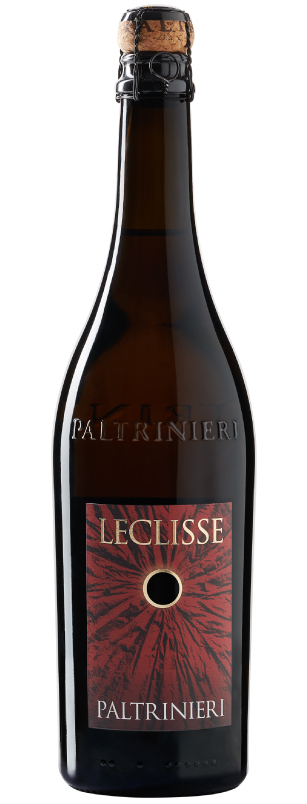
CANTINA PALTRINIERI LECLISSE LAMBRUSCO DI SORBARA 2025
The Paltrinieri family has made wine in Sorbara, near Modena, since 1926, on a narrow strip of silty, sandy ground between the Secchia and Panaro rivers. Leclisse is all Lambrusco di Sorbara, free-run juice with no maceration, re-fermented in tank for at least three months to a powder-pink color and 11% alcohol. Alberto Paltrinieri told Gambero Rosso it was the label that made the most noise, a turning point for the winery, released when deep, dark Lambrusco was the fashion.
Pour it cold with prosciutto, oysters or a bowl of tortellini. It is dry, pale and light, the opposite of the sweet red fizz most Americans picture, and it sits at the everyday end of the shelf.
Until next Thursday,
Adrian, TERROIR