
TERROIR
THE FEATURE
What Fines the Wine: The Quiet Case for the Vegan Bottle
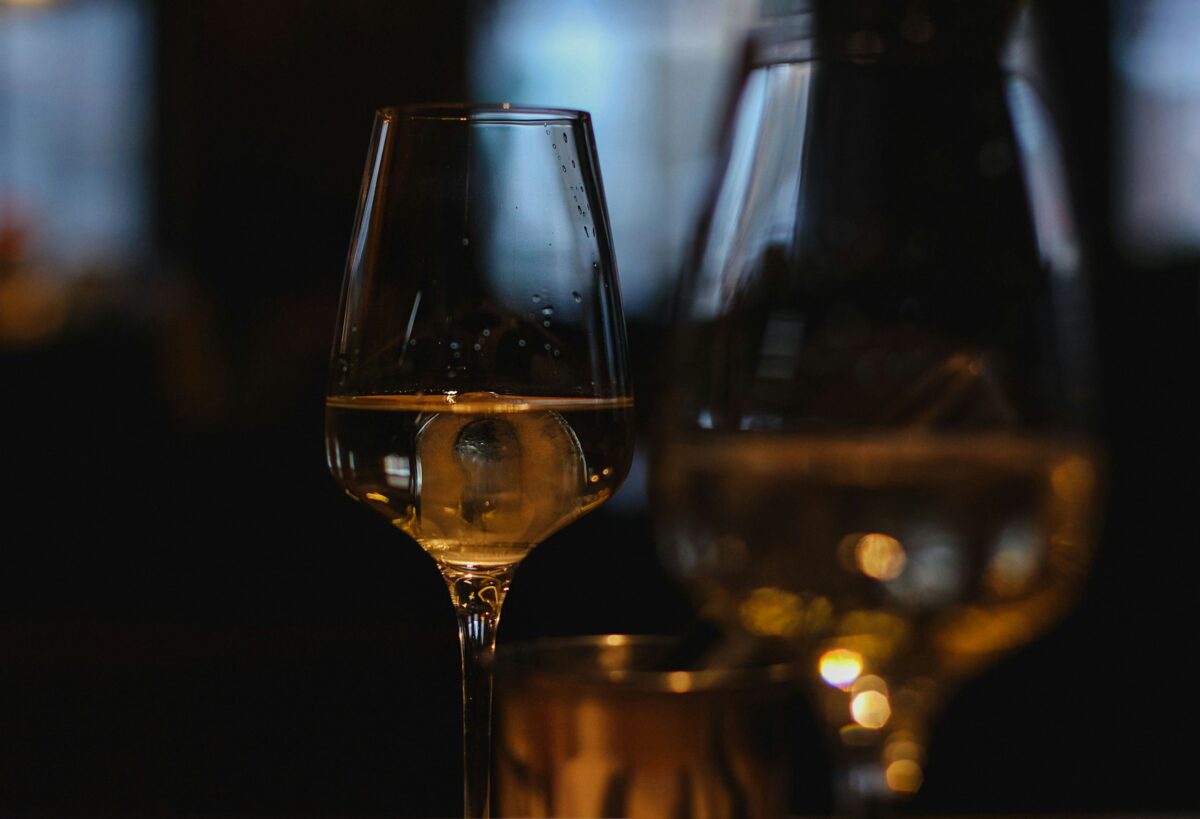
Ask a room of wine drinkers what is in the glass and almost nobody says egg white. Fewer still name casein, from milk, or isinglass, the dried swim bladder of a fish. For centuries these have been the cellar’s finishing tools, stirred into young wine to pull out harsh tannin and haze, then racked away with the sediment. Fining is a butler that tidies the room and leaves. Almost: trace residues can stay, and that nearly-nothing is where the law now lives.
Since December 2023, EU rules require wines from the 2024 harvest onward to declare egg- and milk-derived residues on the label. Isinglass and gelatin are not classified allergens, so a fish-fined wine stays silent. Pea and potato proteins do the same work and declare nothing. The result is a nudge toward the vegan bottle that no activist lobbied for, driven by the arithmetic of a label line.
THE DISPATCH
Latest from this week

France counts a short harvest
On 7 September Agreste, the French agriculture ministry’s statistics service, published its first 2026 estimate: about 33.9 million hectoliters, down 6% on 2025 and 17% below the five-year average, which Agreste says would rank among the lowest of the past 30 years. Vineyard area is down 2.5%; summer drought and heat cut yields. The spread is the story: Champagne down 48% with its lowest bunch weights in twenty years, Burgundy’s Pinot Noir losses above half, Bordeaux up 10% off a poor 2025. A forecast closed at 1 September, not a count.

The collateral never existed
On 3 September Stephen Burton, founder of London’s Bordeaux Cellars Ltd., was sentenced in Brooklyn federal court to six years for a scheme that took more than $97 million from over 140 investors between 2017 and 2019. Investors were told their loans were secured by rare bottles, Romanée-Conti and Pétrus among them, held for collectors who needed cash. Prosecutors say the collectors did not exist and the company held almost none of the wine. Judge Pamela Chen called it “a devastating financial crime” and ordered $26 million forfeited. The fraud worked because nobody checked whether the bottles were in the room.
THE PICK
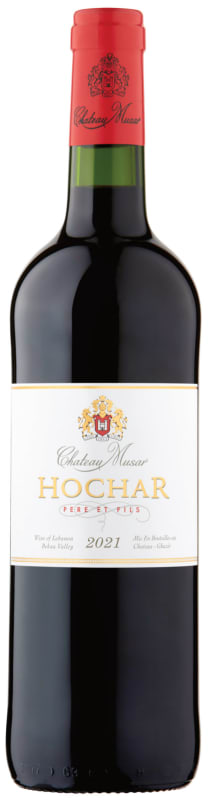
CHÂTEAU MUSAR HOCHAR PÈRE ET FILS 2021
Château Musar’s cellars sit at Ghazir on the Lebanese coast; its grapes grow inland in the Bekaa, and the winery was built far from the vineyards, in Decanter’s words, “because of ongoing threats.” Every harvest makes the drive, and its length reads the country’s mood: a few hours in peace, up to five days in 1984. Hochar Père et Fils is the single-vineyard second label, from one site near Aana at 1,000 meters, gravel over limestone. Cinsault leads, with Grenache and a tenth of Cabernet: cherry, sweet spice, a smoky edge, and rose from the Grenache.
The 2021 is the point. Musar’s own fact sheet calls it “a return to the ‘good old days’ when everything went like clockwork,” a year with no climatic extremes. A wine whose reputation rests on endurance, in the one recent vintage that had nothing to endure. Roast lamb, or anything with cumin. Mid-shelf money for a bottle the producer calls “five years in the making.”
Until next Thursday,
Adrian, TERROIR