

THE FEATURE
The Cutting or the Catalogue: Wine’s Quiet Argument Over Where New Vines Come From
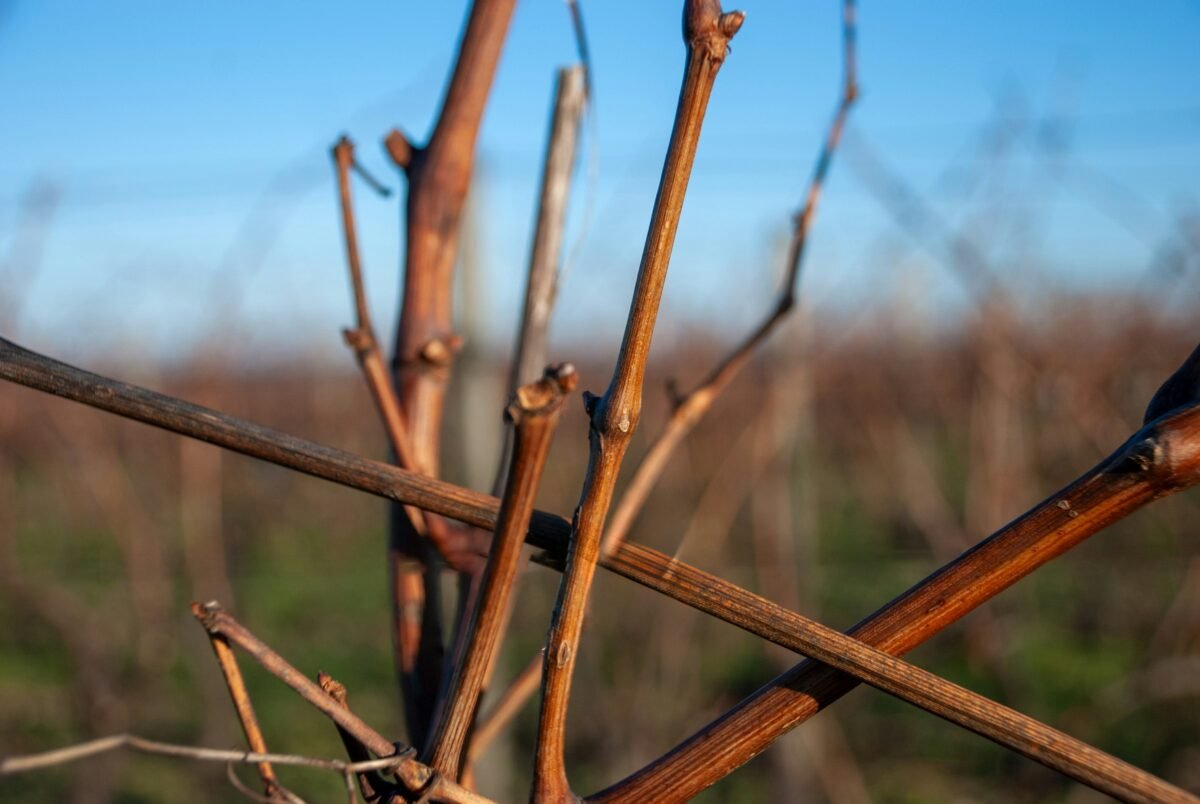
Every replanting starts with a choice that never reaches a tasting note. A grower can take cuttings from the property's oldest, healthiest rows, which the trade calls massal selection, or order certified clones by number from a nursery catalog, each descended from one vine and guaranteed free of the viruses that can hollow out a vineyard. In July, a review in the journal OENO One, co-funded by the research arm of Argentina's Bodega Catena Zapata, argued that the clonal era cost vineyards their genetic range: in Germany and France, it reports, over 95% of planting material became clonal.
France's vine institute, the IFV, had answered that charge three years earlier. Its register lists 47 approved clones of Pinot Noir and 31 of Chardonnay, a range it calls more diverse than many massal selections, and it reminds readers that certified clones exist because fanleaf virus once moved through replanted vineyards on the cuttings growers shared. Read closely, the two sides agree more than they argue. The open question is whether growers plant the diversity the catalog already offers, and in a warming climate that choice is a 40-year bet.
THE DISPATCH
Latest from this week

Half a Harvest, Half an Auction: Beaune's Charity Sale Shrinks After a Near-Drought
Sotheby's offered just 432 barrels and two half-barrels at this year's Hospices de Beaune sale, a little over half the 817 of the record year of 2022, Euronews and AFP report. The cause sits in the vineyard: near-drought cut the harvest on the Hospices' own 60 hectares (about 150 acres) by around half. Burgundy Report dates the 166th sale to November 15. Half a harvest made half an auction.
Wine Spectator's Wine of the Year Is a $120 Napa Cabernet From a Quiet Corner
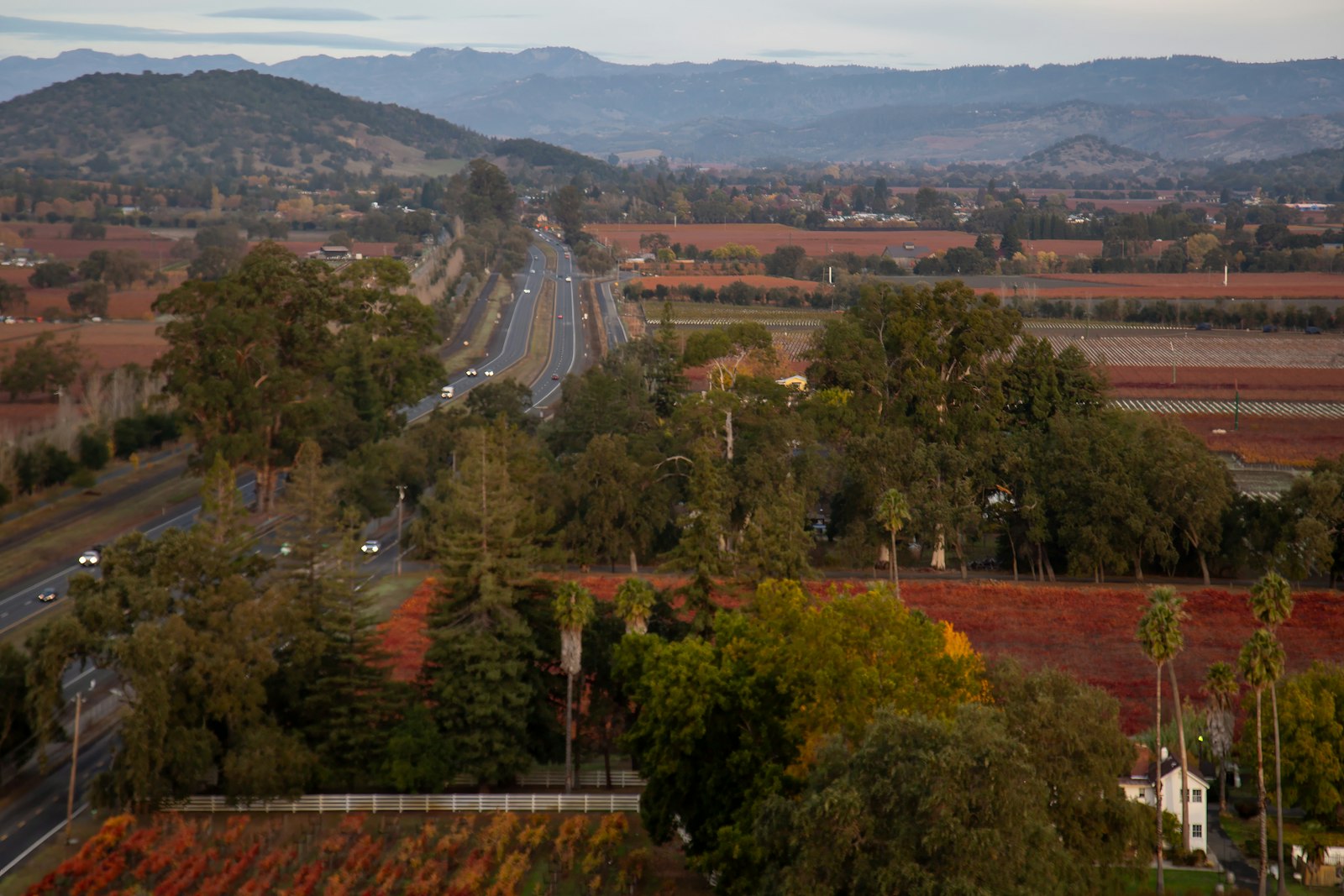
On November 13, Wine Spectator named Paul Hobbs Cabernet Sauvignon Coombsville 2023 its Wine of the Year, ahead of Produttori del Barbaresco's Rabajà Riserva 2021 and Penfolds Bin 389. The magazine credits Coombsville's cooler microclimate and writes that Hobbs bet on a corner of Napa Valley that had not yet seen the limelight. The winning 2023 runs to 8,730 cases.
THE PICK
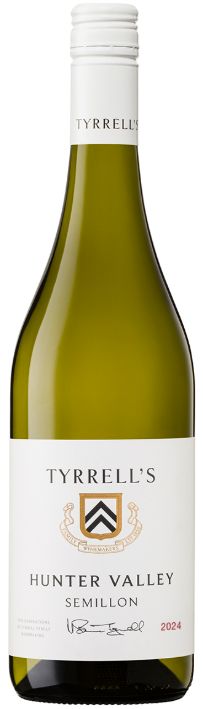
TYRRELL'S HUNTER VALLEY SEMILLON 2024
In 1858, Edward Tyrrell took up 320 acres in Australia's Hunter Valley and began planting Shiraz and Semillon; Bruce Tyrrell, the fourth generation, and winemaker Chris Tyrrell, the fifth, run the house now. Wine Australia says Hunter Semillon is "at its delicate best when picked early to make a wine of low alcohol," and this one stops at 11.8%. It comes mostly from dry-grown vines that average 40 years old, fermented in stainless steel, and Wine Spectator finds "Meyer lemon, grilled peach and fresh Honeycrisp apple" in the glass.
In 1989, Bruce hid 1,000 cases of the family's top Semillon, Vat 1, from his father; released in 1996, they showed drinkers what the grape becomes with age. This bottle is the everyday version, made to drink now, with oysters or a plate of grilled fish. It sits at the accessible end of the shelf.
Until next Thursday,
Adrian, TERROIR Journal