
TERROIR
THE FEATURE
The Pairing as Performance: How Sommeliers Build the Arc of a Tasting Menu
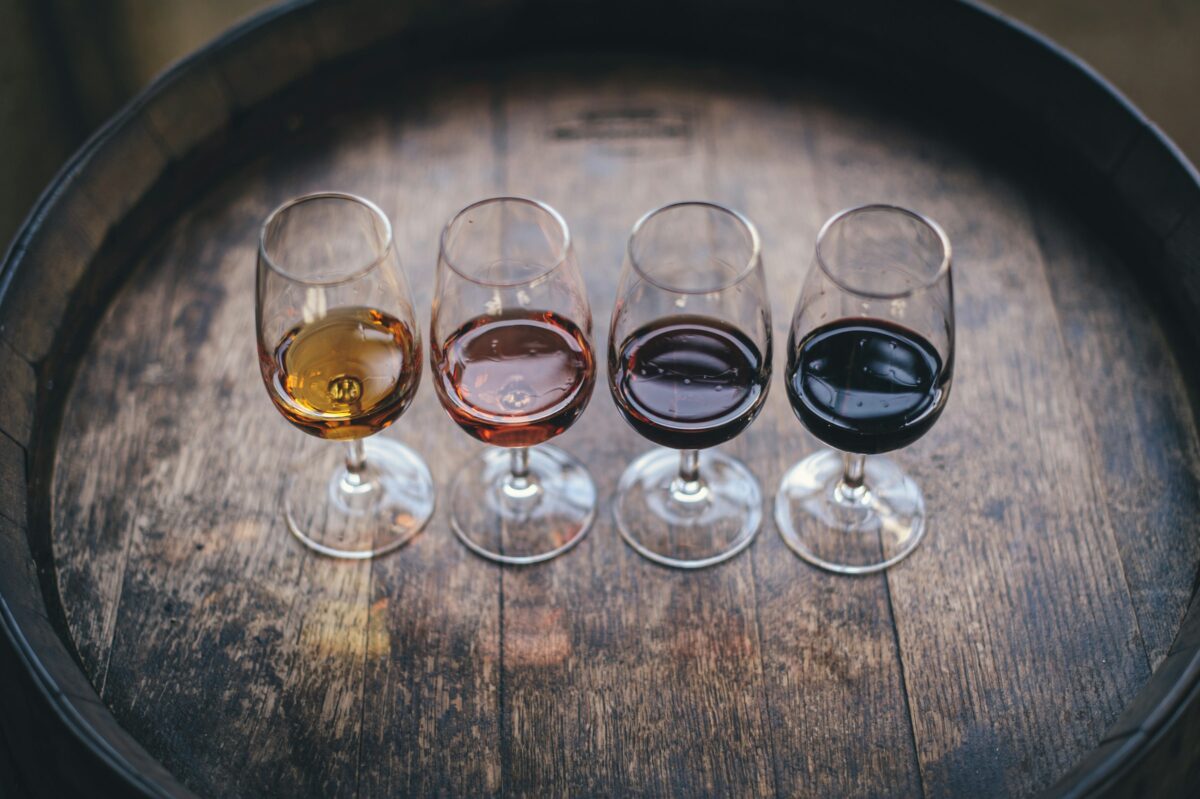
At Alinea, one course comes with no wine at all. Jon Leopold, wine director of The Alinea Group, listed it as “Pairing: None,” a quick hit of bubblegum that sets up the finale: a 1957 Madeira beside a dessert painted onto the table. Earlier on the same menu he poured a sherry-and-vermouth cocktail second and a 4.8 percent dark lager in the middle.
Read in order, the pairing is a score rather than a list, and the article follows how sommeliers pace it: light to heavy by default, with alcohol managed course by course. A 2009 study in Psychological Science found that tasters who knew wine gave extra weight to the last glass in a long run. Saving a 1957 Madeira for the end plays to exactly that audience.
THE DISPATCH
Latest from this week

Vineyards below the wooded Montagne de Reims at Trépail, Marne, June 2009. Photo: Havang(nl), CC0.
Champagne’s Growers Vote to Stop Redrawing Champagne—After 23 Years
On October 21, the board of the Syndicat Général des Vignerons (SGV), Champagne’s growers’ union, voted to halt a review of the appellation’s borders that began in 2003, by 78.85% according to Vitisphere, just before experts at INAO, France’s appellation authority, were due to report at year-end. The union’s case is climate: Champagne is nearly 2°F (about 1°C) warmer than when the review began, so the old test of which land suits the vine no longer holds. Aube villages hoping to enter and Marne villages fearing exclusion keep the old map. The vote is not by itself a final administrative decision, and appeals remain possible.

Souvignier Gris, a disease-resistant PIWI grape, as its berries begin ripening. Photo: Thorbjoern.Joerger, CC BY-SA 3.0 DE.
Italy’s Top Appellations Still Ban Disease-Resistant Grapes—Lawmakers Ask Rome to Change That
On October 20, five Democratic Party deputies led by Antonella Forattini filed a formal question asking Agriculture Minister Francesco Lollobrigida to amend Article 33 of Italy’s 2016 wine law. It bars wines made even partly from interspecific hybrids, such as disease-resistant PIWI varieties, from DOC and DOCG labels, a door EU rules already open under conditions. The push was announced jointly with Senate Vice President Gian Marco Centinaio of the League, putting government and opposition on the same side. Nothing changes yet: a 2024 Senate bill to repeal the ban has not been examined, and even after reform each consortium would decide for its own appellation.
THE PICK
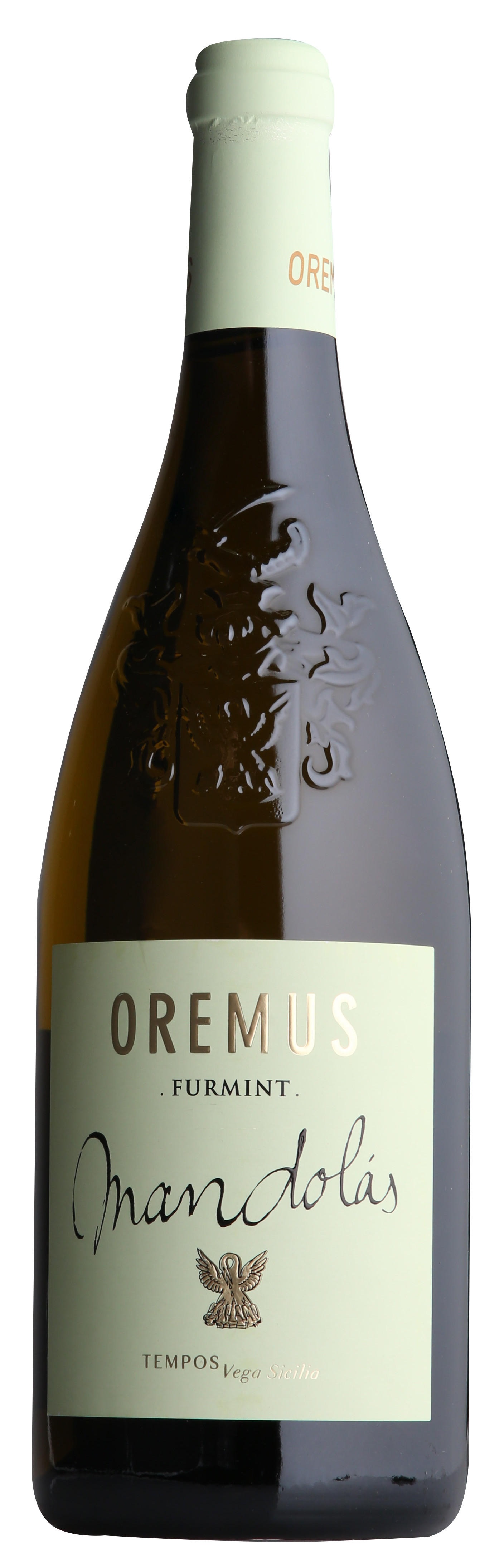
OREMUS TOKAJI DRY FURMINT MANDOLÁS 2021
Tokaj is famous for sweet wine; this bottle is the dry argument. Oremus has made Mandolás, a bone-dry Furmint, since its first vintage in 2000, the same decade Sarah Marsh MW says the region’s premium dry push began. Writing in World of Fine Wine in December 2023, she put dry wine at as much as 80 percent of production, “although much of this is low end,” with quality dry wine at 15 to 20 percent. Mandolás sits in that smaller share.
The 2021 is a cold-year wine, and the lab sheet shows it: 7.8 grams per liter of acidity, against 6.3 for the 2022, after what the producer calls “the coolest spring for 10 years.” It credits that cold year for the wine’s “great freshness and floral aromas.” Pour it early, where Wednesday’s article says a tasting menu starts: light first, heavier later.
Until next Thursday,
Adrian, TERROIR