
TERROIR
THE FEATURE
The Architecture of the Wine List: How a Restaurant's Page Decides What You Drink
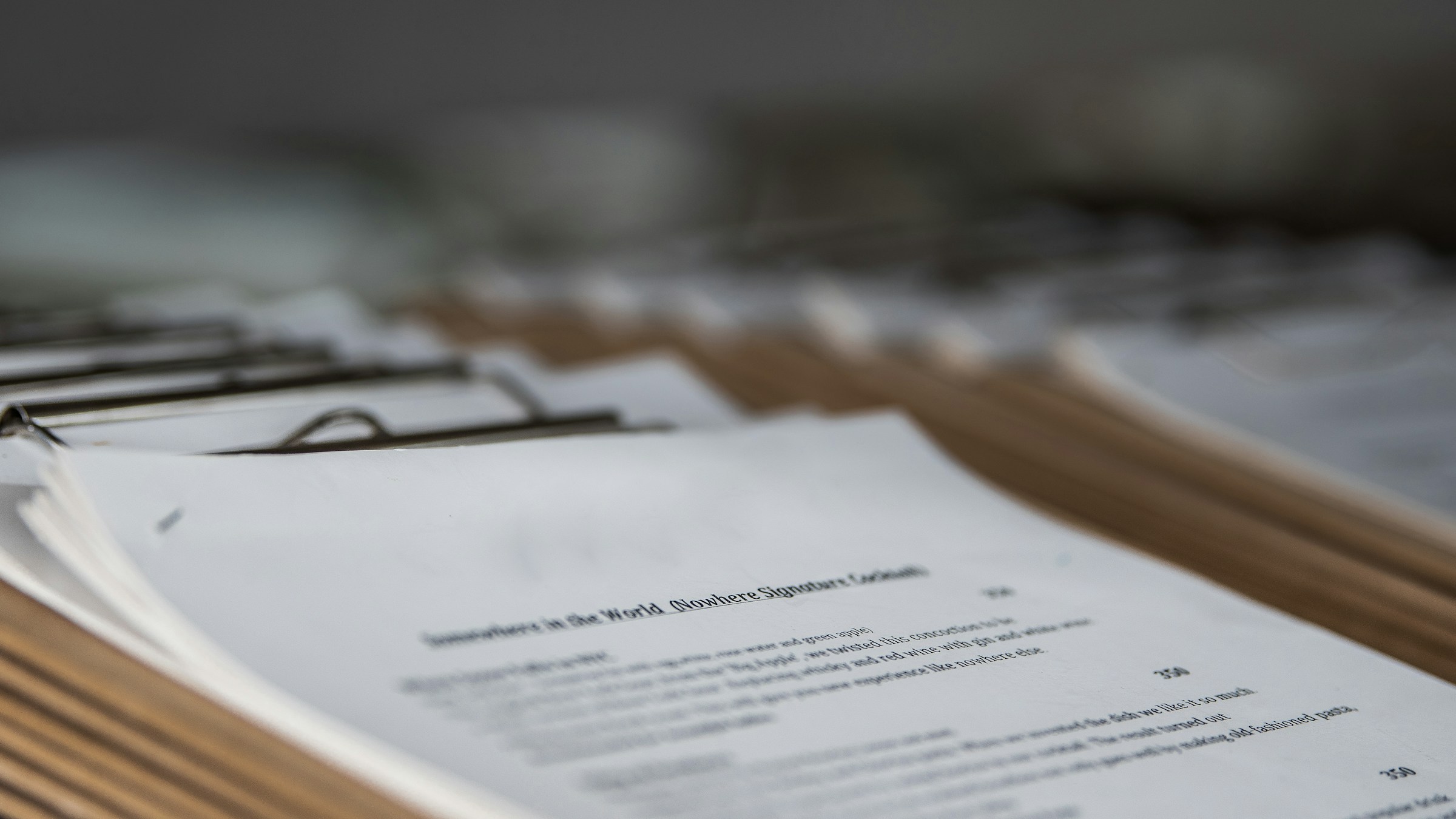
The list arrives, the eye slides down the price column, and the finger settles two lines from the bottom: not the cheapest bottle, but the one just above it. It feels like a private compromise. It is neither. Roughly 19 percent of British drinkers order this way, a WSET study found, and a 2023 paper records that restaurants will "occasionally reprice a wine to make it the second-cheapest spot on the menu."
Cornell researchers found diners spent about 8 percent more, an average of $5.55, when a menu dropped its dollar signs. The trophy bottle at the top of the page is rarely ordered; its job is to make the bottle beneath it feel like restraint. Yet the people who write lists describe the work as editing, not engineering: a standard 3x markup at Four Horsemen, a compressed multiple at the top at King so that ambition is rewarded. Architecture is neutral. Intent is not.
THE DISPATCH
Latest from this week

A Contract Is a Contract: 45 Cognac Growers Beat Sazerac in Court Over Cancelled Grape Deals
On 22 September the commercial court in Angoulême ruled that Sazerac's Cognac house could not walk away from multi-year grape contracts with 45 growers from the Charentes, declaring its January terminations "without effect" (translated) and ordering the 2026 and 2027 harvests honored. Sazerac will appeal, citing "the gravely deteriorated economic context of the Cognac market." The growers' union put it plainly: a signed contract binds both parties, and its value cannot vanish at the whim of the market.

Boisset Buys Artesa From Codorníu — "We Decided to Double Down" in a Gloomy Market
Wine Spectator reported on 23 September that Jean-Charles Boisset has bought Artesa, the hilltop Carneros estate Raventós Codorníu founded in 1991: 350 acres, about 150 planted across Los Carneros and Mt. Veeder, price undisclosed. "In this gloomy wine world and all this negativity, we think the opposite," Boisset told the magazine. The same day the sale was announced, Sonoma's Gundlach Bundschu filed for Chapter 11.
THE PICK
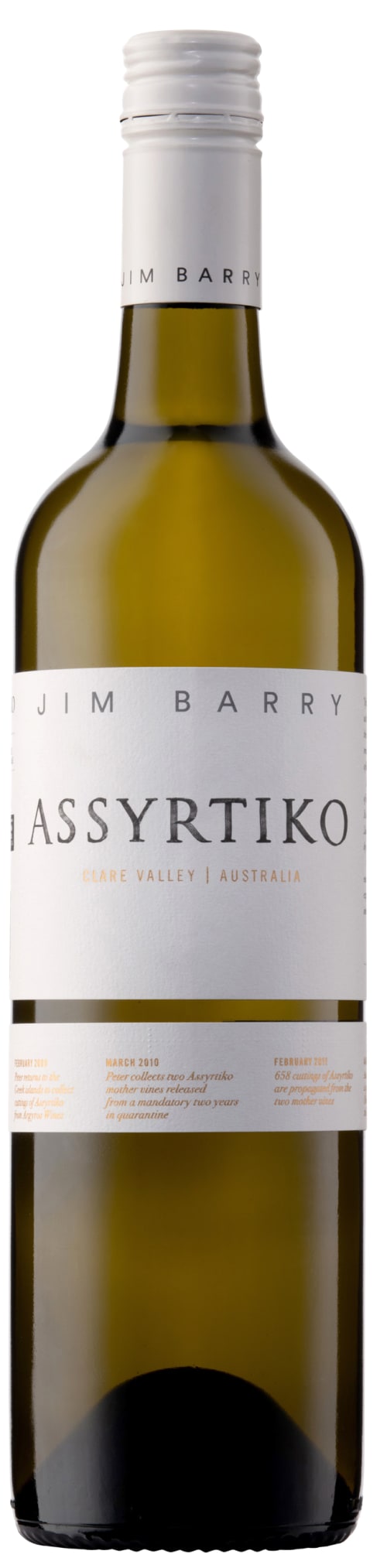
JIM BARRY ASSYRTIKO 2024
A Greek island grape in an Australian Riesling valley, and one holiday lunch is the reason. Peter Barry says he tasted his first Assyrtiko in Santorini on 28 August 2006, found not a single vine of it in Australia, and returned to the Argyros estate for twelve dormant cuttings from one old vine. Quarantine held them two years. On 28 August 2012, six years to the day, 658 vines went into the family's Lodge Hill site in the Clare Valley, a planting Decanter reported at the time as Australia's first.
Barry's stated reason was climate: Clare is cooler and wetter than Santorini, and he saw the grape, prized on its island for acidity that survives heat, as a bet on where the weather is going. At 12 percent alcohol under screw cap, it is a wine for grilled fish, at the accessible end of the Clare Valley shelf.
Until next Thursday,
Adrian, TERROIR