
TERROIR
THE FEATURE
Bâtonnage: The Stick, The Lees, And Why Your Chardonnay Tastes Creamy
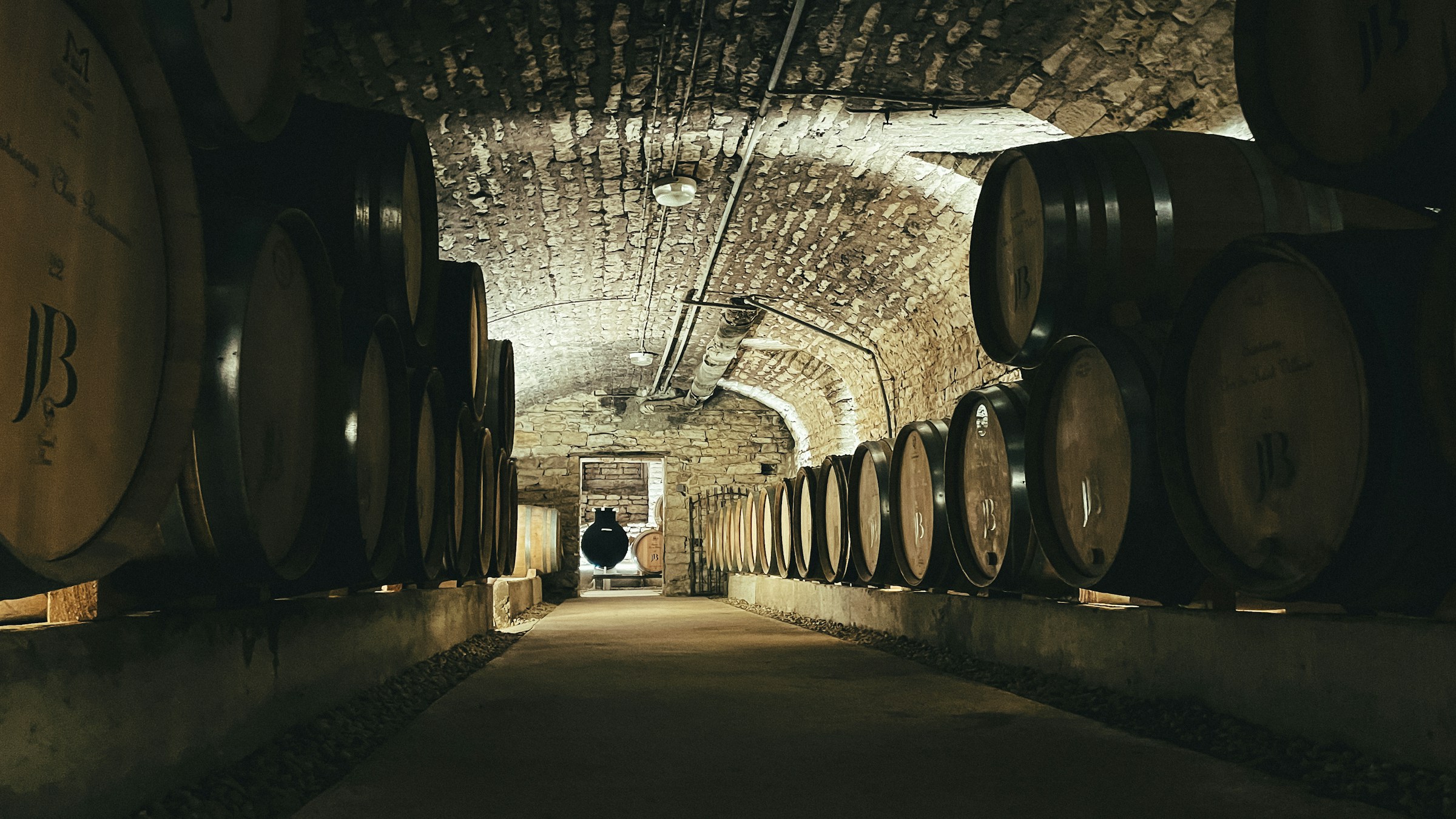
The creaminess in a barrel-fermented Chardonnay reads as richness, or as the oak. Most often it is neither. It is the residue of a winter decision, usually made with a stick. Bâtonnage, the French term for stirring the lees, lifts spent yeast off the barrel floor and back into suspension, where it releases the mannoproteins that coat the palate.
The catch is that the lees are also an oxygen sponge, and each time the bung comes out to stir, the wine meets a little air. That paradox helps explain why some of white Burgundy's most watched cellars, Coche-Dury and Roulot among them, have quietly put the stick down since the late 1990s. The creaminess is still there for anyone who wants it; its absence has become a statement too.
THE DISPATCH
Latest from this week

Corporate scale, local hands
On June 23, Treasury Wine Estates closed the $15 million sale of a 48-acre former DAOU production site on San Luis Obispo's Orcutt Road to Mercenary Premier, a Central Coast startup run by Jason Fullmer and Josh Baker. They plan a 43,000-square-foot custom-crush operation, no tasting room and no label of its own, ready for the 2026 harvest. Another corporate-scale California asset passing into small local hands.

Beyond the capitals
Wine Spectator's 2026 Restaurant Awards, announced June 23, honored 4,012 dining rooms for their wine lists, 99 of them at the top Grand Award tier. Two new names joined that tier: Caruso's in Montecito, California, and Berria Wine Bar in Madrid, a small town and a wine bar rather than the grand rooms that once defined the category. Wine-list ambition is broadening past the traditional capitals of fine dining.
THE PICK
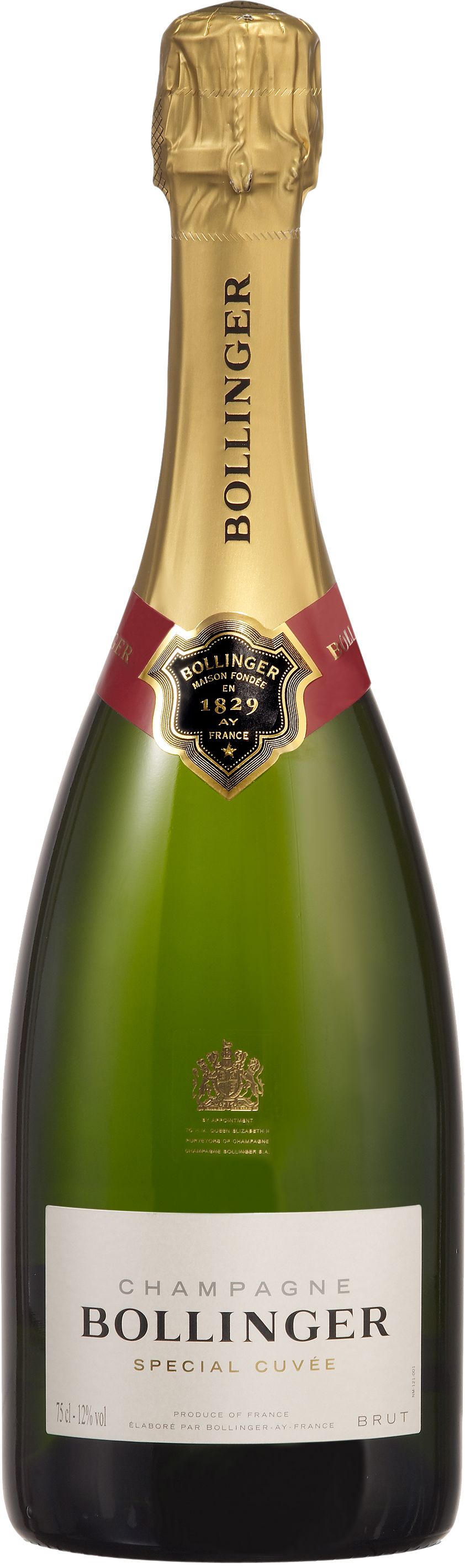
BOLLINGER BRUT SPECIAL CUVÉE NV
If this week's Feature asks what time on the lees does to a wine, Bollinger's Special Cuvée argues the case in Champagne. The name records a small revolt: in 1911 the house's British agent called it Special Cuvée because, to his ear, ‘non-vintage brut’ did not befit a champagne of such subtlety. Pinot Noir anchors the blend at a minimum of 60 percent, and it rests on its lees roughly twice the appellation minimum.
The result is a large-house non-vintage that drinks like a grower's tête de cuvée: toast, dried apple, a fine and insistent bead. At $79.99 it is not an everyday pour, but it is the rare Champagne that earns its occasion. Pour it with something roasted, or with nothing at all.
Until next Thursday,
Adrian, TERROIR